How I Help Babies Sleep Without Letting Them Cry It Out
 Paula Videtta · Certified Infant Sleep Consultant & Mom of Three
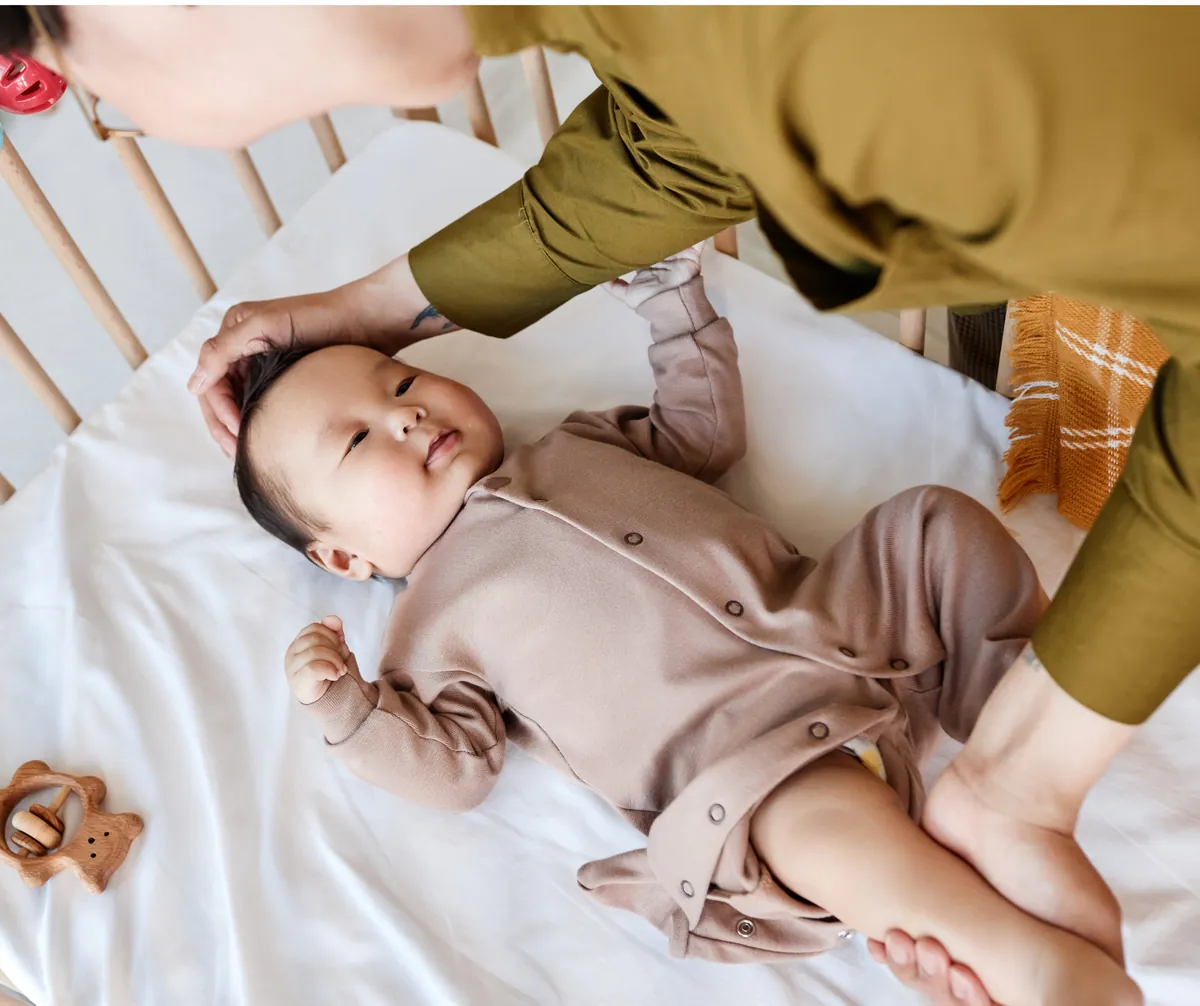
The first thing most parents tell me when we get on a call is some version of the same sentence: "I want my baby to sleep better, but I just can't let them cry it out. Is there another way?"
The answer is yes. And it's what I do with every family I work with.
I'm Paula, a certified infant sleep consultant based in Austin, TX. My approach is built around one core belief: that babies can learn to sleep well without their parents having to ignore them, and without anyone feeling like they're doing something wrong.
What 'No Cry It Out' Actually Means in Practice
Let me be upfront about something: gentle sleep support doesn't mean zero tears. Babies communicate through crying, and any time we introduce something new, some protest is normal. What it does mean is that your baby is never left alone to cry without response, and that the process is built around your presence and your involvement.
The difference between cry it out and what I do is not about crying. It's about what happens when your baby cries. In my approach, you respond. You adjust. You stay in the process with your baby instead of waiting outside the door to never come back in.
The Foundation: Understanding Your Baby First
Before I recommend anything to a family, I spend time understanding the full picture. Every baby is different, every family dynamic is different, and a plan that worked brilliantly for someone else's baby may be completely wrong for yours.
I look at things like:
- Your baby's age and developmental stage
- Their current sleep associations and what they need to fall asleep
- How they respond to change and frustration
- Your feeding situation and how it connects to sleep
- Your family's schedule, your living situation, and your own comfort levels
- What you've already tried and what happened
This is what makes the difference between a generic sleep tip you found online and a plan that actually works for your specific baby.
What a Gentle Sleep Plan Looks Like
Every plan I create is different, but there are elements that show up consistently in the approach I use with families.
A consistent sleep environment
We start by optimizing the conditions for sleep: a dark room, white noise, a comfortable temperature, and a safe sleep setup. These aren't minor details. They make a real difference in how easily a baby falls and stays asleep.
A predictable routine
Babies thrive on predictability. A consistent pre-sleep routine, even a short one, signals to the brain that sleep is coming. Over time it becomes a powerful trigger that makes falling asleep much easier.
Age-appropriate wake windows and schedules
A baby who goes to bed at the right time falls asleep more easily and stays asleep longer. Getting the timing right is one of the most underrated parts of sleep work, and something we dial in carefully for each family.
Gradual reduction of sleep associations
If your baby currently needs nursing, rocking, or your presence to fall asleep, we work on shifting that gradually. Not all at once, not cold turkey. We move in small steps that allow your baby to adjust while keeping you closely involved throughout.
A responsive approach
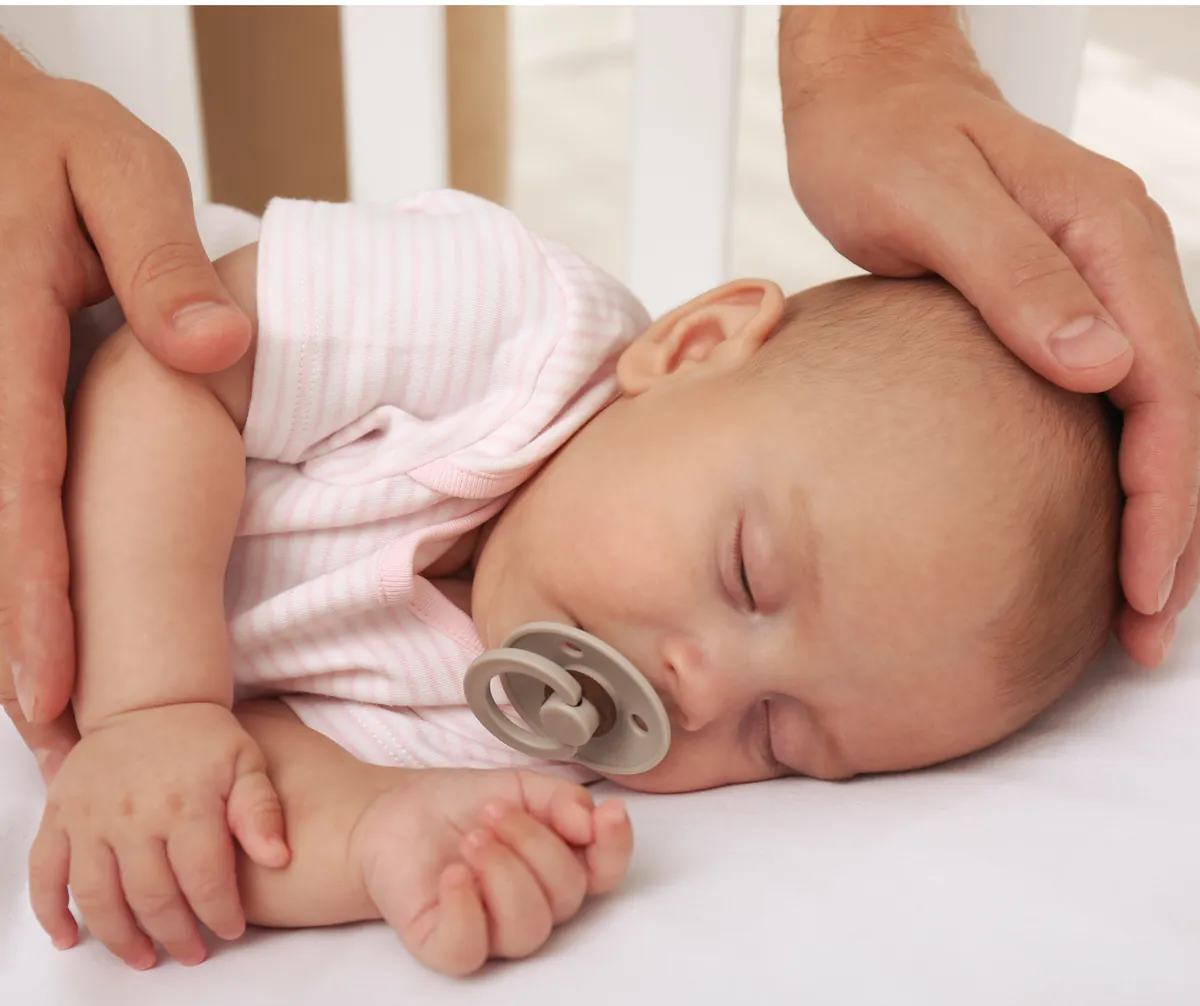
When your baby protests, you respond. We define together what your response looks like, if you stay in the room or how you go in, what you do when you're there, and how you gradually give your baby more space to settle. There's no rigid timer or script. You're always in the process.
What Results Look Like
Most families I work with start seeing meaningful improvement within the first week. By the end of our three weeks together, the typical outcome is a baby who falls asleep more independently at bedtime, connects sleep cycles with less help, and is sleeping in longer stretches at night.
More importantly, most parents tell me the same thing at the end: that they feel like themselves again. That they had no idea how much the sleep deprivation was affecting every other part of their life until it got better.
That's what this is really about.
Is This Right for Your Family?
This approach works well for families who:
- Want to improve sleep without leaving their baby to cry alone
- Are willing to be actively involved in the process for 3 weeks
- Have a baby between 4-5 months and 4 years
- Are ready for things to feel a little different before they get better
If that sounds like you, the first step is a free 15-minute Discovery Call. We talk through what's going on with your baby's sleep, I answer your questions, and we figure out together whether working with me makes sense for your situation.
Ready to get your baby sleeping better?
Book a free 15-minute Discovery Call. No commitment, no pressure. Just a conversation about your baby's sleep and what's possible.
👉🏻 Send me a message and let's find a time that works for you
Frequently Asked Questions
Can babies learn to sleep without crying?
Most babies experience some level of protest or frustration when learning new sleep skills, regardless of the method used. What gentle approaches avoid is leaving a baby to cry alone without any response. In a responsive, gradual approach, a baby may fuss or cry briefly, but parents remain present and adjust their support based on what the baby needs in each moment.
What does a gentle sleep plan include?
A gentle sleep plan is built around four main elements: a well-optimized sleep environment (dark room, white noise at 50-55 decibels placed 1.5 to 2 meters from the crib, comfortable temperature), a consistent age-appropriate schedule with correct wake windows, a predictable pre-sleep routine, and a gradual, responsive approach to reducing sleep associations. Every plan is personalized to the specific baby and family.
How long does gentle sleep training take?
Gentle sleep training typically takes longer than extinction-based methods. Most families start seeing meaningful improvement within the first week, and significant progress by the end of a 3-week support period. The process is rarely linear, and the active involvement required from parents throughout makes consistency especially important.
Can I do gentle sleep training while breastfeeding?
Yes. Breastfeeding and improving sleep are not mutually exclusive. Gentle approaches are adapted around the feeding relationship and any remaining night feeds that are age-appropriate. Many breastfed babies learn to sleep significantly better without night weaning, especially when sleep associations are gently shifted over time.
What if gentle sleep training isn't working?
If a gentle approach has been implemented consistently for 2 to 3 weeks without meaningful improvement, something in the foundation is likely off: the schedule timing, the sleep environment, or a specific sleep association that's being inadvertently reinforced. Working with a certified infant sleep consultant can help identify what's missing and adjust the plan accordingly.
Sources & Further Reading
The information in this article is based on current research in infant sleep science and child development. Here are some trusted sources if you'd like to read more:
- American Academy of Pediatrics (AAP): Safe sleep and infant development guidelines. aap.org
- Mindell, J.A. & Owens, J.A.: A Clinical Guide to Pediatric Sleep: Diagnosis and Management of Sleep Problems.
- National Sleep Foundation: Infant sleep and sleep training research. sleepfoundation.org
- Zero to Three: Responsive caregiving and infant development. zerotothree.org
Paula is a certified baby and toddler sleep consultant and mom of three, with a background in speech therapy and child development. Based in Austin, TX, she works virtually with families across the US, Latin America, Europe and beyond, in English and Spanish, to help babies and toddlers sleep better without extreme methods and without mom guilt.
Want a plan made for your baby?
Book a free 15-minute Discovery Call and we'll figure out the best next step for your family. No pressure, no judgment.
Book your free callYou might also like
Cry It Out vs. Gentle Sleep Training: What No One Tells You
Cry it out or gentle sleep training? A judgment-free look at what each approach really involves and how to choose the right fit for your baby and family.

What Does a Baby Sleep Consultant Actually Do? (Is It Worth Working With One?)
What does a baby sleep consultant actually do, and is it worth it? A step-by-step look at the process, from the first call to three weeks of support.
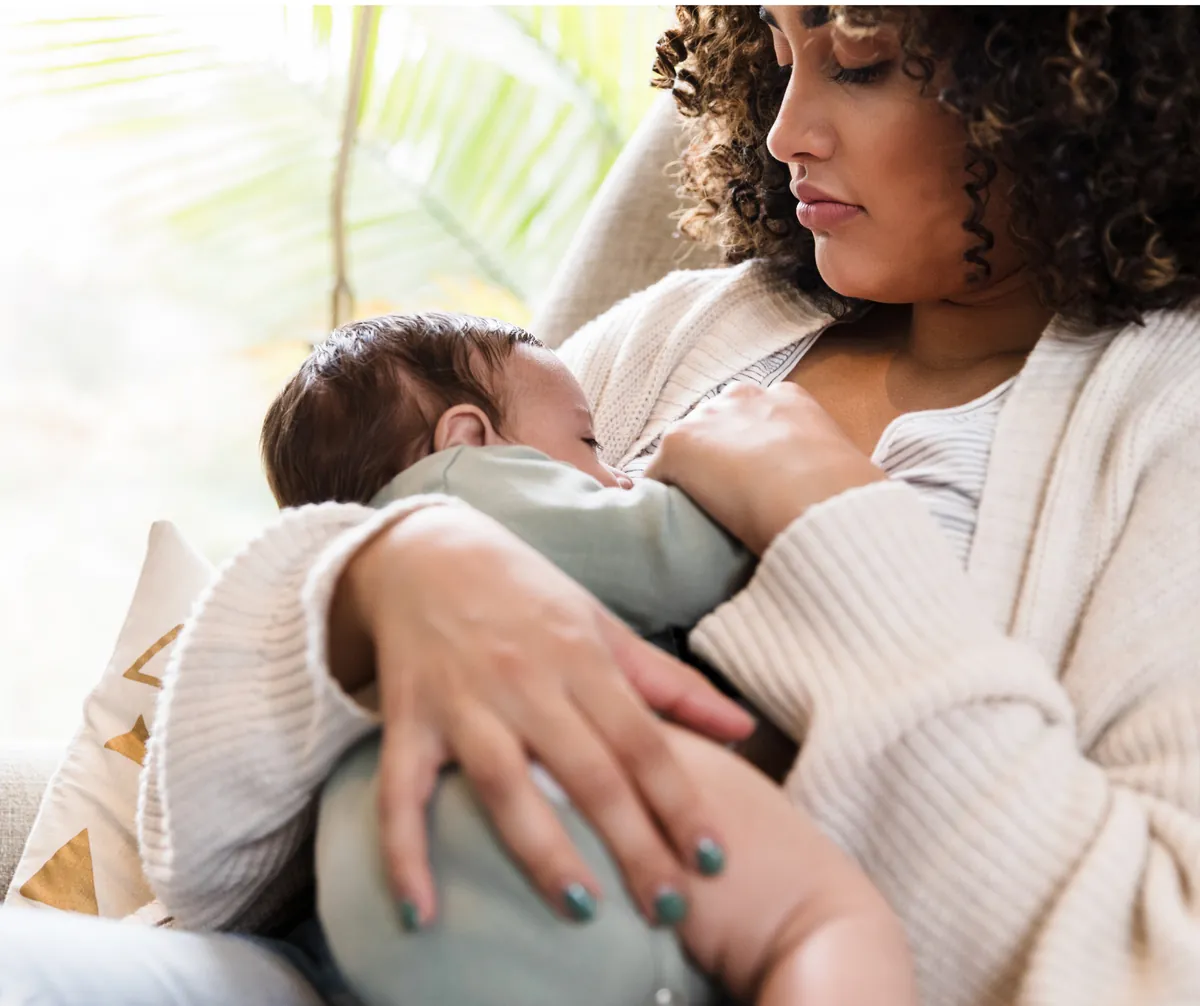
How to Get Your Baby to Sleep Without Being Held
Does your baby only sleep when held? Learn why it happens and a gentle, step-by-step way to help your baby sleep in the crib without cry it out.