
Cry It Out vs. Gentle Sleep Training: What No One Tells You
 Paula Videtta · Certified Infant Sleep Consultant & Mom of Three
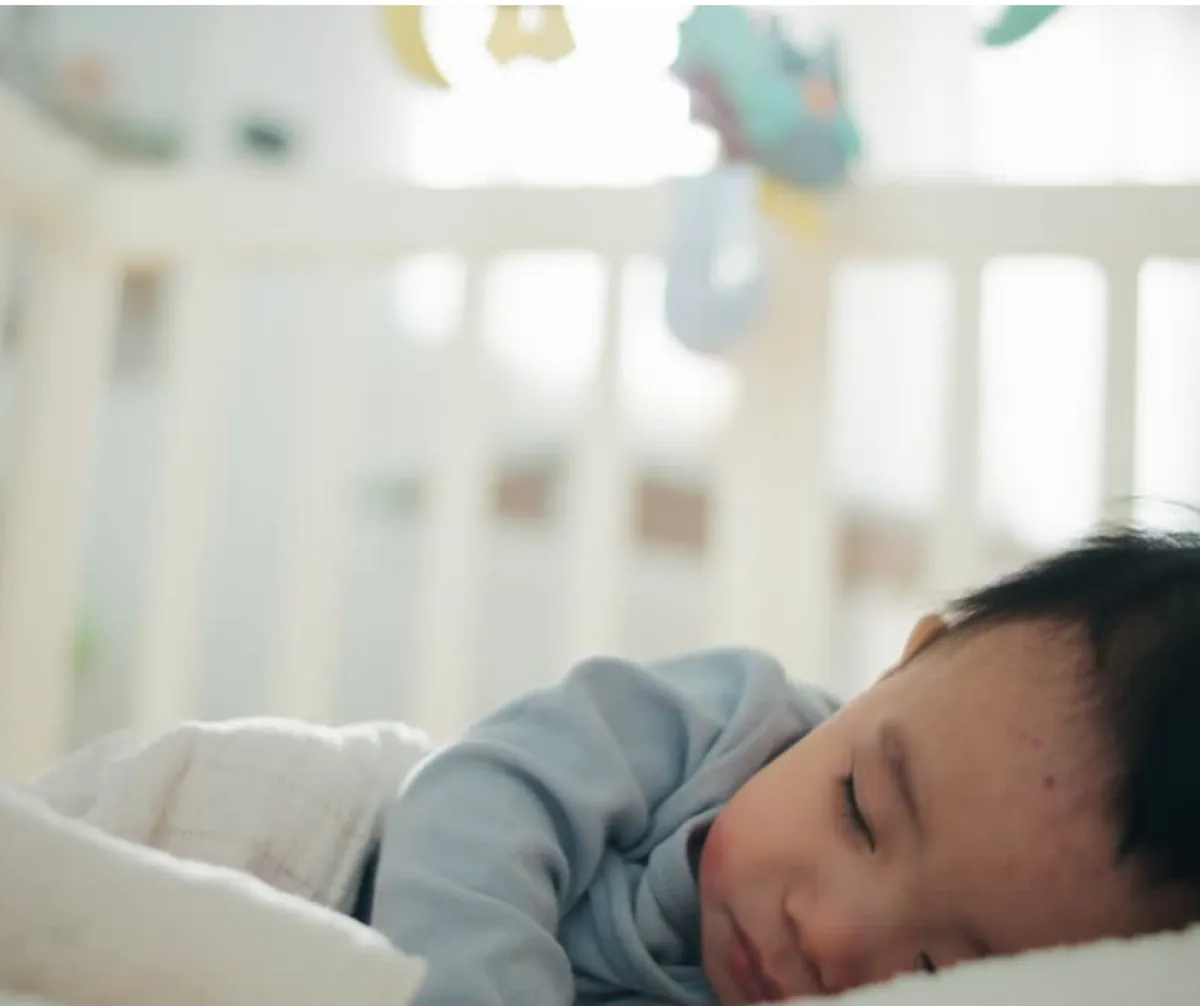
Few topics in the parenting world generate more opinions, more guilt, and more heated debate than sleep training. Type it into any mom group and watch the responses flood in: half of them say cry it out is what works, and the other half are horrified by the idea and say they'd rather co-sleep until their child is a teenager than try anything like that.
Here's my take after working with many families: the debate mostly doesn't make sense. What actually matters is understanding what each approach involves and finding what fits your specific baby and your specific family. There is no universal right answer, and there is also no single method that works for every baby, just like with everything else in motherhood. You've probably figured that out by now.
No judgment here. So, what does each approach actually mean in practice?
What Does 'Sleep Training' Actually Mean?
Sleep training is any intentional approach to helping your baby learn to fall asleep more independently. That's it. It's not a specific method, and it doesn't automatically mean crying. In fact, many infant sleep consultants today, myself included, call this process different things: sleep plans, working on sleep, improving sleep, and less and less "sleep training."
The confusion comes from the fact that people use the original term to mean very different things, from full extinction cry it out (which is used less and less) to the gentlest no-cry approaches. They're all technically "sleep training." And importantly, not every baby even needs a formal method. Many families make significant progress by simply adjusting timing, environment, and routine without any structured approach. That's also completely valid.
Cry It Out and Ferber: What They Actually Are
Cry it out, in its strictest form (also called extinction), means putting your baby down awake at bedtime and not returning until morning, regardless of how much they cry. No check-ins, no soothing. Just waiting it out.
The Ferber method is a modified version. You put your baby down awake and do timed check-ins at gradually increasing intervals, up to 15 minutes in a row outside the room, to briefly reassure them without picking them up, even if they cry the whole time. Some crying happens, but you're not completely absent.
I don't use cry it out or the Ferber method with the families I work with.
Gentle and Gradual Methods: What They Look Like
Gradual methods are the foundation of how I work with most families. These are approaches where you stay actively involved in the process, adjusting your level of support over time while your baby builds new sleep skills at their own pace.
More and more families are looking for this kind of approach because they want to support their baby throughout the whole process. Choosing a gradual method isn't settling: it's a values-based decision, and it works really well when done consistently.
Some examples of gradual approaches:
- Support-reduction (fading) methods, where you gradually reduce your level of involvement over days or weeks, at a pace that works for your baby
- Chair methods (like the Sleep Lady Shuffle), where you sit next to the crib and slowly move further away each night
- Pick-up/put-down, where you respond to crying by picking up your baby to calm them and returning them to the crib once settled
- Responsive check-in approaches, where you go in on a flexible schedule based on your baby's cues rather than a strict timer
These methods take more time and require active parental involvement throughout the process. They also involve some crying, just less of it and never with your baby feeling completely alone. The tradeoff is a process that many families find far more emotionally sustainable, and one that honors the parent-baby relationship throughout.
What No One Tells You
Here's what gets left out of most of these conversations:
Not every baby needs a formal method.
Some babies make significant progress when their parents simply adjust the schedule, improve the sleep environment, or shift a routine. The right changes at the right time can unlock a lot without any structured approach. This is part of why I work closely with each family before recommending anything.
Almost every method involves some crying.
Even the gentlest approaches involve moments where your baby expresses frustration or protest. That's not harm, that's communication. The goal is never zero crying. The goal is responding to your baby in a way that also teaches them a new skill.
Consistency matters more than the method.
A gentle method done inconsistently will produce worse results and more crying than a stricter method done with full commitment. Whatever you choose, consistency is what makes it work.
Your emotional wellbeing matters too.
A method that leaves you anxious, guilty, or falling apart is not going to work for your family, even if it works on paper. The best sleep approach is one you can actually follow through on, and one that feels aligned with your values.
Comparing the Methods
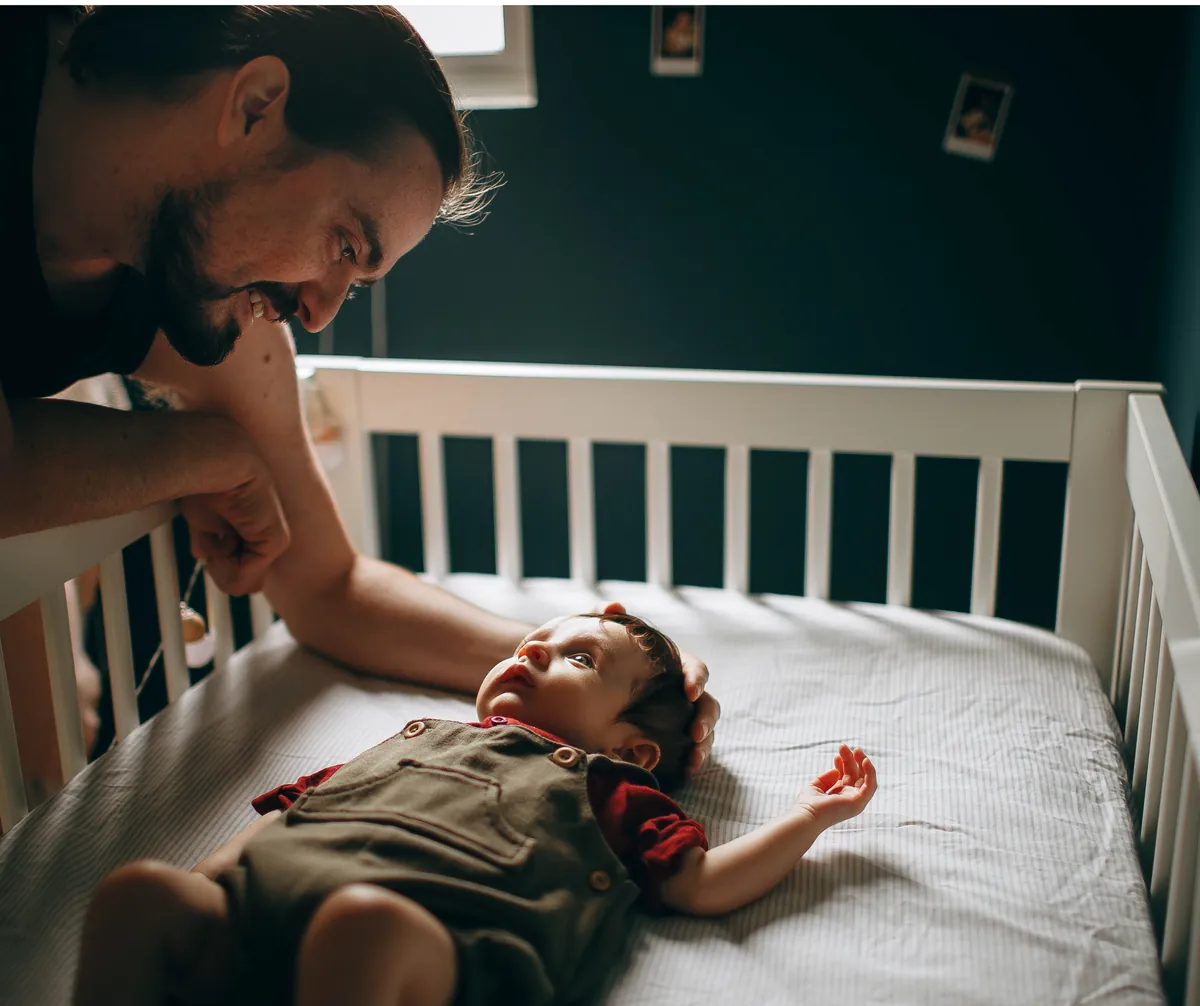
| Cry It Out / Ferber | Gradual / Gentle Approaches | |
| Speed | Fast (3 to 7 nights) | Slower (1 to 4 weeks) |
| Crying | More upfront | Less, but still present |
| Parental involvement | Minimal during sleep | High throughout |
| Best age to start | 6+ months | 4+ months |
| Works for | Families wanting fast results | Families who want to stay present throughout |
So Which One Is Right for You?
There's no universal answer. But these questions can help point you in the right direction:
- How much crying can you tolerate while staying consistent?
- How much time and energy do you have to invest in the process each night?
- Does your baby tend to escalate quickly or settle with a little time?
- What feels aligned with your values as a parent?
These are exactly the kinds of questions I work through with every family I support. That's why I offer a free discovery call: I explain how I work before we commit to a sleep plan together, so we can make sure we're a good match. The goal is always to find the approach that fits your specific baby, your specific situation, and your specific values. Not a formula. A plan.
Not sure which approach is right for your baby?
I'm Paula, a certified infant sleep consultant and mom of three. I work with families to find a sleep approach that fits their values, their baby's temperament, and their real life. Book a free 15-minute Discovery Call and let's figure out your best next step.
👉🏻 Send me a message and let's find a time that works for you
Frequently Asked Questions
What is cry it out sleep training?
Cry it out (CIO), in its strictest form known as extinction, involves placing a baby in their crib awake at bedtime and not returning until morning, regardless of crying. The Ferber method is a modified version that includes timed check-ins at gradually increasing intervals. Both approaches are effective for many families but are not the right fit for every baby or every parent.
Is cry it out harmful to babies?
Research, including a well-cited 2016 study published in the journal Pediatrics, has found no long-term differences in stress hormone levels, attachment security, or emotional development between babies who were sleep trained using extinction methods and those who were not. That said, effectiveness and emotional fit are different questions. Many families find CIO methods incompatible with their values, and there are effective alternatives that do not involve unresponsive crying.
What is gentle sleep training?
Gentle sleep training is an umbrella term for approaches that keep parents actively involved throughout the process. Rather than leaving a baby to settle alone, these methods involve gradual reduction of parental support over days or weeks, responsive check-ins based on the baby's cues, and a pace that respects both the baby's temperament and the parents' comfort. These approaches take longer than extinction methods but are effective when done consistently.
Which sleep training method is best?
There is no universally best sleep training method. The most effective approach is the one a family can implement consistently, that fits their values, and that is adapted to their specific baby's temperament. A baby who escalates quickly to high distress may do better with a more responsive approach. A family who needs faster results may choose a more structured method. The right fit is highly individual.
At what age can you start sleep training?
Formal sleep training is generally appropriate from 4 months onward, when babies have developed enough neurologically to begin building independent sleep skills. Gentle sleep practices, such as occasionally putting a baby down drowsy but awake, can begin from around 8 weeks, starting at the beginning of the night.
Sources & Further Reading
The information in this article is based on current research in infant sleep science and child development. Here are some trusted sources if you'd like to read more:
- American Academy of Pediatrics (AAP): Safe sleep guidelines and infant development. aap.org
- Mindell, J.A. & Owens, J.A.: A Clinical Guide to Pediatric Sleep: Diagnosis and Management of Sleep Problems.
- National Sleep Foundation: Sleep training overview. sleepfoundation.org
- Key studies referenced in this article's FAQ:
- Gradisar, M., Jackson, K., Spurrier, N.J., et al. (2016). Behavioral interventions for infant sleep problems: A randomized controlled trial. Pediatrics, 137(6), e20151486. Randomized controlled trial with 43 infants (6-16 months). Found no differences in cortisol levels, attachment security (measured by Strange Situation test), or behavioral/emotional outcomes at 12 months between sleep-trained and control groups.
- Price, A.M., et al. (2012). Five-Year Follow-up of Harms and Benefits of Behavioral Infant Sleep Intervention: Randomized Trial. Pediatrics. 5-year follow-up of 326 families. Children who had been sleep trained showed no differences in emotional health, behavior, sleep quality, stress, or parent-child closeness compared to controls at age 6.
Paula is a certified baby and toddler sleep consultant and mom of three, with a background in speech therapy and child development. Based in Austin, TX, she works virtually with families across the US, Latin America, Europe and beyond, in English and Spanish, to help babies and toddlers sleep better without extreme methods and without mom guilt.
Want a plan made for your baby?
Book a free 15-minute Discovery Call and we'll figure out the best next step for your family. No pressure, no judgment.
Book your free callYou might also like
How I Help Babies Sleep Without Letting Them Cry It Out
Want better sleep without letting your baby cry it out? Here's how I help families with a gentle, responsive, personalized plan where you stay present.
How to Get Your Baby to Sleep Without Being Held
Does your baby only sleep when held? Learn why it happens and a gentle, step-by-step way to help your baby sleep in the crib without cry it out.
When to Hire a Sleep Consultant: 5 Signs You Need Professional Help
Tried everything and your baby still won't sleep? Here are 5 signs it's time to hire a sleep consultant, and what working with one actually looks like.