
How to Get Your Baby to Sleep Without Being Held
 Paula Videtta · Certified Infant Sleep Consultant & Mom of Three
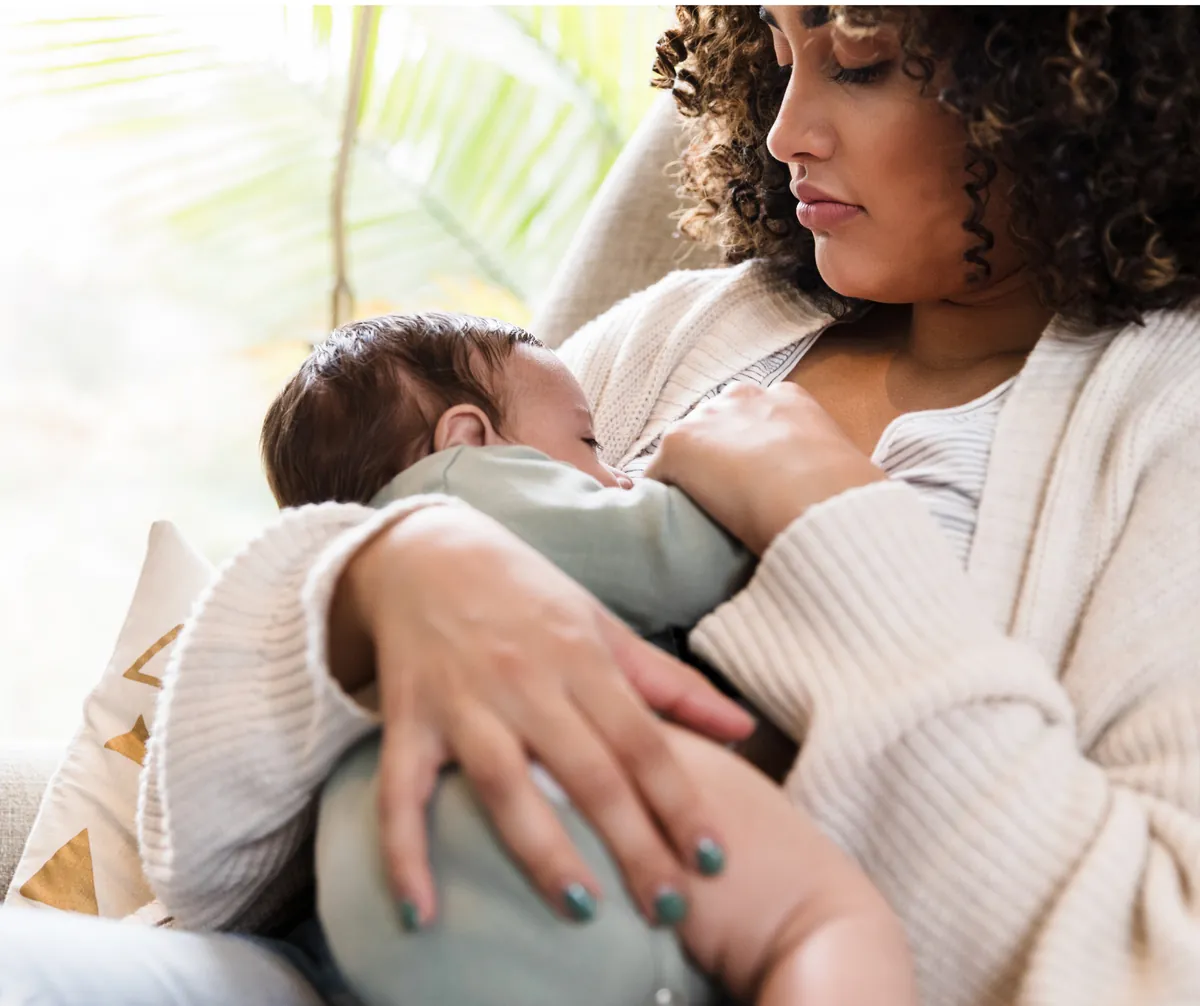
Your baby sleeps like a dream, as long as you're holding them. The moment you try to put them down, their eyes fly open and the crying starts. Sound familiar?
First, let me be clear about something: holding your baby to sleep is not a mistake. Contact napping is developmentally normal and it meets a real need for closeness and comfort. You didn't create a problem by responding to your baby.
But if it's no longer working for you, if you're trapped on the couch for every nap or running on empty because nights require constant holding, then it's completely valid to want to change it. And you can, gently.
Why Does Your Baby Only Sleep When Held?
When babies fall asleep in your arms and then wake up in a crib, their brain registers a mismatch. They went to sleep in one set of conditions and woke up in completely different ones. For a baby who doesn't yet understand object permanence, that's genuinely startling.
The warmth, the heartbeat, the movement, the smell, all of that is what helped them fall asleep. When it disappears mid-sleep, the brain sends an alert. This is called a sleep association, and it's the core of what we're working with here.
The goal isn't to stop responding to your baby. It's to gradually shift what they associate with falling asleep so that the crib becomes just as comforting as your arms.
How Old Should Your Baby Be Before You Try This?
For newborns in the first 6 to 8 weeks, contact napping is completely appropriate and developmentally expected. Their nervous system is still adjusting to life outside the womb, and being held provides genuine regulation.
From around 8 weeks onward, you can realistically start introducing some independent sleep practice, gently and without pressure. The easiest place to begin is the start of the night, when sleep pressure is naturally highest and babies tend to fall asleep more easily. Once your baby starts to get the hang of it at bedtime, you can gradually extend the same approach to the first nap of the day, and then to subsequent naps from there.
From 4 months on, babies are developmentally well-equipped to build this skill more fully, and this is often the most effective window to work on it in a more intentional way.
A Gentle Step-by-Step Approach
There's no magic trick here, but there is a process that works when done consistently and with patience.
1. Set up the sleep environment first
Before working on where your baby sleeps, make sure the conditions are right. A dark room, white noise at a consistent level, and a comfortable temperature give your baby the best chance of staying asleep once they're put down.
2. Put them down drowsy but awake
This is the foundational skill. Instead of waiting until your baby is fully asleep in your arms, start transitioning them to the crib when they're very drowsy but still slightly conscious. Yes, they may fuss. Stay close and offer reassurance without picking them up right away. Give them a chance to settle.
3. Use a consistent pre-sleep routine
A short, predictable routine before every nap and bedtime helps signal to your baby's brain that sleep is coming. Even 5 minutes is enough. A simple sequence might look like: diaper change, into the swaddle or sleep sack, a song or a few quiet minutes of feeding, then into the crib. The swaddle matters because it gives babies a physical cue that sleep is coming and reduces the startle reflex that often wakes them during the transfer. Note that swaddling is appropriate until around 3 months or as soon as your baby starts showing any signs of rolling, whichever comes first. After that, transition to a sleep sack with arms free.
4. Familiarize your baby with the crib during the day
One thing that helps more than people expect: spending time in the same room as the crib during the day, when it's not sleep time. Let your baby play on a mat near the crib, lie under a mobile, or have some awake time in the crib itself with you close by. When the crib becomes a familiar, pleasant space rather than somewhere they only go when they're being put down and left, the association shifts. It stops being a place of separation and starts being just another part of their world.
5. Reduce the holding gradually
If going straight to drowsy-but-awake feels like too big a leap, you can do this in smaller steps. Start by holding your baby until they're almost fully asleep, then put them down. Over several days, move to putting them down when they're more awake. Then more awake still. You're gradually shifting the association over time rather than all at once.

What If They Cry When You Put Them Down?
Some fussing when you put your baby down is normal and expected, especially in the first few days of working on this. There's a difference between fussing and escalating distress.
Fussing is your baby's way of adjusting to something new. You can stay close, offer a hand on their chest, shush softly, or gently pat. You don't have to leave the room. The goal is to offer reassurance while giving them space to learn.
If your baby escalates to full crying, pick them up, calm them fully, and try again. There's no benefit to leaving a young baby to cry it out, and that's not what this approach asks of you.
How Long Does It Take?
With a consistent approach, most families start seeing meaningful improvement within 2 to 3 weeks. Some babies adjust faster, some take a little longer. What matters most is consistency. If you do it for two days and then go back to holding for a week, you're essentially starting over each time.
Progress is rarely linear. There will be good days and harder days. That's normal. What you're building is a new skill, and skills take repetition.
Need a personalized plan for your baby?
I'm Paula, a certified infant sleep consultant and mom of three. If you're ready to stop spending every nap trapped on the couch, let's talk. My free 15-minute Discovery Call is the first step.
👉🏻 Send me a message and let's find a time that works for you
Frequently Asked Questions
Why does my baby only sleep when held?
Babies who only sleep when held have developed a sleep association with the warmth, movement, and closeness of being carried. When they transition into a lighter sleep phase at the end of a sleep cycle and find those conditions gone, their brain registers a mismatch and they fully wake up. This is a very common and developmentally normal pattern, especially in the first few months.
When can I start putting my baby down to sleep on their own?
Gentle independent sleep practice can begin from around 8 weeks, starting at the beginning of the night when sleep pressure is highest. From there, the same approach can gradually extend to the first nap of the day and then to subsequent naps. Formal sleep training is more appropriate from 4 months onward, when babies are developmentally ready to build more independent sleep skills.
How do I transfer my sleeping baby to the crib without waking them?
The most important factor in a successful transfer is timing. Newborns start each sleep cycle in active (light) sleep before moving into deep sleep, which means they are easiest to wake in the first few minutes after falling asleep. Wait until you notice signs of deep sleep, such as completely limp limbs and slow, regular breathing, before attempting the transfer. Lower your baby bottom-first, keeping them close to your body on the way down, and release slowly.
Is contact napping okay?
Contact napping is developmentally normal and meets a genuine need for closeness and warmth, especially in the newborn stage. There is nothing harmful about it. If it stops working for your family, whether because of physical limitations or sleep deprivation, that's a valid reason to gently work toward more independent sleep. Both choices are valid.
How long does it take for a baby to learn to sleep without being held?
With a consistent, gradual approach, most families start seeing meaningful improvement within 2 to 3 weeks. Progress is rarely linear. There will be better days and harder days. What matters most is consistency: returning to the previous approach for several days in a row after making progress significantly extends the process.
Sources & Further Reading
The information in this article is based on current research in infant sleep science and child development. Here are some trusted sources if you'd like to read more:
- American Academy of Pediatrics (AAP): Safe sleep guidelines and infant development. aap.org
- Mindell, J.A. & Owens, J.A.: A Clinical Guide to Pediatric Sleep: Diagnosis and Management of Sleep Problems.
- National Sleep Foundation: Sleep associations and infant sleep. sleepfoundation.org
- Zero to Three: Infant development and early sleep patterns. zerotothree.org
Paula is a certified baby and toddler sleep consultant and mom of three, with a background in speech therapy and child development. Based in Austin, TX, she works virtually with families across the US, Latin America, Europe and beyond, in English and Spanish, to help babies and toddlers sleep better without extreme methods and without mom guilt.
Want a plan made for your baby?
Book a free 15-minute Discovery Call and we'll figure out the best next step for your family. No pressure, no judgment.
Book your free callYou might also like

How I Help Babies Sleep Without Letting Them Cry It Out
Want better sleep without letting your baby cry it out? Here's how I help families with a gentle, responsive, personalized plan where you stay present.
Cry It Out vs. Gentle Sleep Training: What No One Tells You
Cry it out or gentle sleep training? A judgment-free look at what each approach really involves and how to choose the right fit for your baby and family.

What Does a Baby Sleep Consultant Actually Do? (Is It Worth Working With One?)
What does a baby sleep consultant actually do, and is it worth it? A step-by-step look at the process, from the first call to three weeks of support.