
What Does a Baby Sleep Consultant Actually Do? (Is It Worth Working With One?)
 Paula Videtta · Certified Infant Sleep Consultant & Mom of Three

If you've ever searched "baby sleep consultant" on Google or ChatGPT at 3am, it was probably because you were wondering what we actually do, beyond handing out free tips on Instagram. Is it just someone who tells you to let your baby cry? Do they come to your house? Are they going to judge you for co-sleeping or nursing to sleep?
These are all fair questions, and the honest answer is that it depends a lot on who you work with. So let me walk you through exactly what working with me at Baby and You Sleep looks like, from the first conversation to the last check-in.
First: What a Sleep Consultant Is Not
A sleep consultant is not someone who takes over your parenting. They don't tell you how to raise your child, they don't push a generic one-size-fits-all method, and a good one will never make you feel guilty about the choices you've made.
A sleep consultant is also not the same as a night nurse or a postpartum doula. A night nurse comes to your home and handles the baby overnight. A sleep consultant works with you remotely to build skills and a plan that you implement, with support along the way, tailored to what you need.
And contrary to what many people assume, a sleep consultant does not automatically mean cry it out. The approach depends entirely on the family. In fact, I don't use that method, and I will never ask you to leave your baby crying alone.
Step 1: The Discovery Call
Everything starts with a free 15-minute Discovery Call. This is a no-pressure conversation where I learn the basics of what's going on with your baby's sleep and you get a chance to ask questions and get a feel for whether working together makes sense.
I'm not trying to sell you anything on this call. I'm trying to understand your situation and be honest with you about what's possible.
Step 2: The Intake Questionnaire
Before we build any kind of plan, I need to understand your baby in detail. Families who work with me fill out a thorough intake questionnaire that covers:
- Your baby's age, weight, and any relevant health or developmental history
- Their current sleep schedule: nap times, bedtime, wake time, overnight wakings
- How they currently fall asleep and what happens when they wake up at night
- Feeding: type, frequency, and whether feeds are connected to sleep
- What you've already tried and how your baby responded
- Your family's lifestyle, schedule, and values around parenting and sleep
And honestly, much more than that, but the list would get far too long for this article.
This is the part most families say feels different from anything they've tried before. Instead of being handed a generic schedule or a one-size-fits-all course, someone is actually looking at their specific baby.

Step 3: Your Path, Tailored to You
Based on everything from the intake, there are two possible paths, and on the discovery call I help you figure out which one fits your family best:
In both, we can work on almost anything: regressions, naps, schedules, night wakings, falling asleep without being held. The difference is depth and goal.
The consultation. A 60-minute video call where we go through what's happening together and you leave with clear, personalized recommendations to improve your baby's sleep overall, starting right away. A few days later I send you a written summary so you have everything in one place. It's a great fit if you're looking for general improvements and clear guidance to keep going on your own.
The sleep plan. A truly comprehensive plan built only for your baby, with a deeper goal: not just better sleep, but independent sleep that lasts. It takes countless aspects of your baby's day and night into account and maps out how each change supports the others and in what order they're introduced. Almost like a symphony that needs a conductor. I walk you through it on a 60-minute video call so we can go over it in detail together.
Neither one is a rigid script. They're a framework we adapt together as we go. Babies don't read plans, and real life rarely goes exactly as expected. That's why the support matters as much as the plan itself.
Step 4: Support, Also Tailored to You
How much support you get afterward depends on the path you choose:
- With the sleep plan, we work together for three weeks, with daily check-ins by text or WhatsApp. As the plan is put into practice, you also have a few optional short calls so we can stay aligned and adjust whatever is needed.
- With the consultation, you can continue on your own with the recommendations, or add weeks of text or WhatsApp support as an add-on, one week at a time, based on what you need.
This is the part most families tell me they didn't know they needed until they had it. The process is rarely linear. There are good nights and harder nights. There are setbacks and breakthroughs. Having someone to check in with, who knows your baby and can tell you whether what you're seeing is normal or something to adjust, makes the whole process feel much more manageable.
So Is It Worth It?
That depends on where you are. If you're managing okay and just looking for a few tips, you might not need a sleep consultant yet. The free content on this blog exists exactly for that.
But if you've been struggling for weeks or months, if you've already tried multiple things without lasting results, if the sleep deprivation is starting to affect your work, your relationship, or your mental health, then yes. Having a clear plan built for your specific baby and someone in your corner to see it through is genuinely worth it.
Most families I work with tell me afterward that they wish they had done it sooner. Not because the process is magical, but because having a plan and support takes an enormous amount of mental load off parents who are already running on empty.
Want to see if this is the right fit for your family?
The Discovery Call is free, it takes 15 minutes, and there's no commitment attached. It's just a conversation. If it feels like a good fit, we talk about next steps. If it doesn't, you leave with a clearer picture of your situation than you had before.
👉🏻 Send me a message and let's find a time that works for you
Frequently Asked Questions
Do sleep consultants work with newborns?
Yes. With newborns under 3 months, the focus is on age-appropriate sleep foundations rather than formal sleep training. This includes establishing a flexible routine, optimizing the sleep environment, and setting up healthy habits from the beginning. Formal independent sleep work typically begins around 4 months.
Do I have to stop breastfeeding to sleep train?
No. Breastfeeding and improving sleep are not mutually exclusive. Many breastfed babies learn to sleep well without night weaning. The plan is adapted around your feeding relationship and your goals.
Does a sleep consultant come to my home?
In my practice at Baby and You Sleep, all sessions happen remotely via video call, and ongoing support is provided through messaging. This makes the process accessible to families anywhere, not just those in Austin.
What if my baby gets sick during the process?
Illness is a normal part of babyhood and something every family encounters during or after a sleep plan. When a baby is sick, we pause the active work and return to comfort-first care. Once they've recovered, we pick up where we left off. The skills babies build don't disappear because of an illness.
What makes a good sleep consultant?
A good sleep consultant listens before they recommend. They ask about your baby, your family, and your values before suggesting anything. They adapt their approach to you rather than applying the same method to every family. And they support you through the process, not just hand you a plan and disappear.
Sources & Further Reading
The information in this article is based on current research in infant sleep science and child development. Here are some trusted sources if you'd like to read more:
- American Academy of Pediatrics (AAP): Safe sleep guidelines and infant development. aap.org
- Mindell, J.A. & Owens, J.A.: A Clinical Guide to Pediatric Sleep: Diagnosis and Management of Sleep Problems.
- National Sleep Foundation: Sleep associations and infant sleep. sleepfoundation.org
Paula is a certified baby and toddler sleep consultant and mom of three, with a background in speech therapy and child development. Based in Austin, TX, she works virtually with families across the US, Latin America, Europe and beyond, in English and Spanish, to help babies and toddlers sleep better without extreme methods and without mom guilt.
Want a plan made for your baby?
Book a free 15-minute Discovery Call and we'll figure out the best next step for your family. No pressure, no judgment.
Book your free callYou might also like
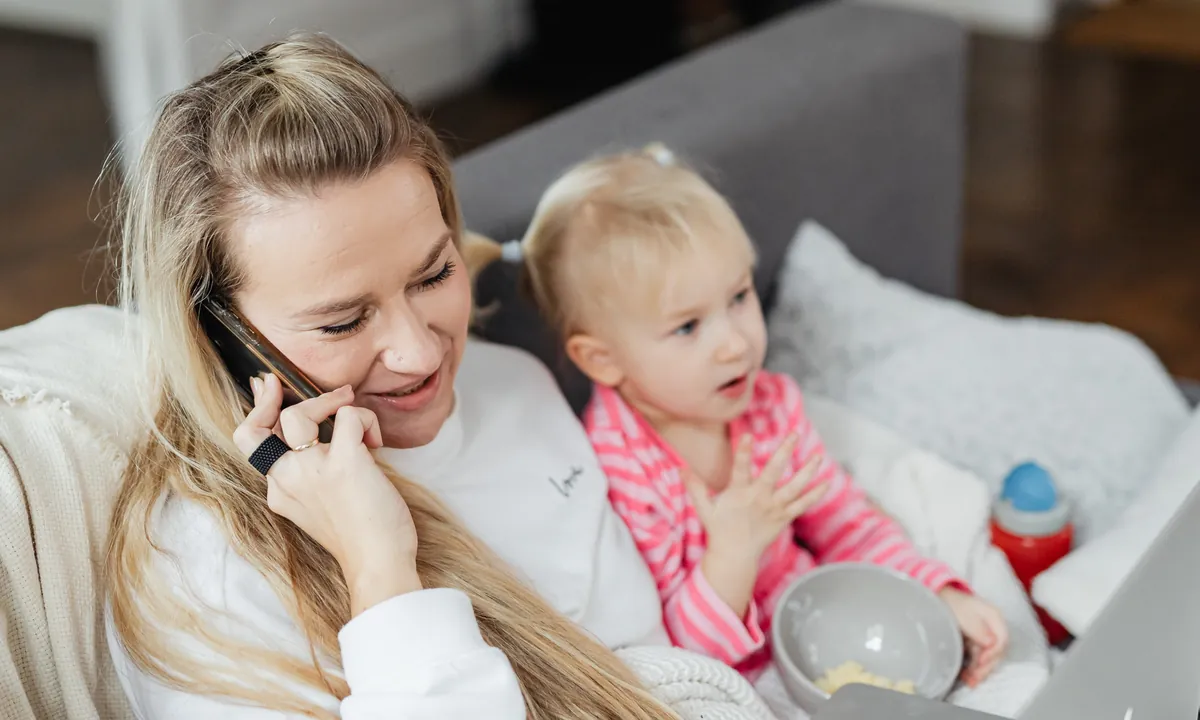
When to Hire a Sleep Consultant: 5 Signs You Need Professional Help
Tried everything and your baby still won't sleep? Here are 5 signs it's time to hire a sleep consultant, and what working with one actually looks like.

How I Help Babies Sleep Without Letting Them Cry It Out
Want better sleep without letting your baby cry it out? Here's how I help families with a gentle, responsive, personalized plan where you stay present.
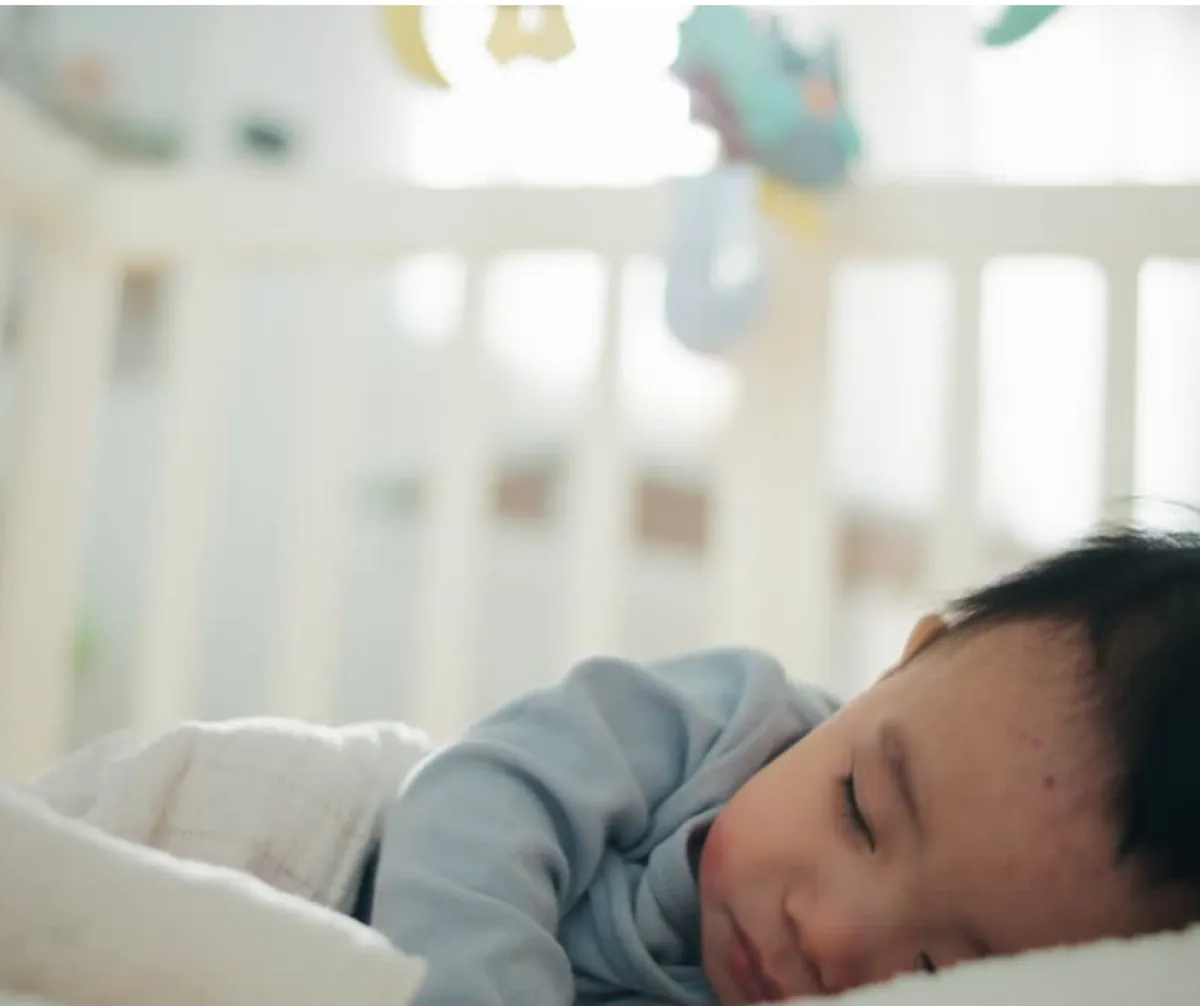
Cry It Out vs. Gentle Sleep Training: What No One Tells You
Cry it out or gentle sleep training? A judgment-free look at what each approach really involves and how to choose the right fit for your baby and family.