How to Create a Safe Sleep Environment for Your Newborn
 Paula Videtta · Certified Infant Sleep Consultant & Mom of Three
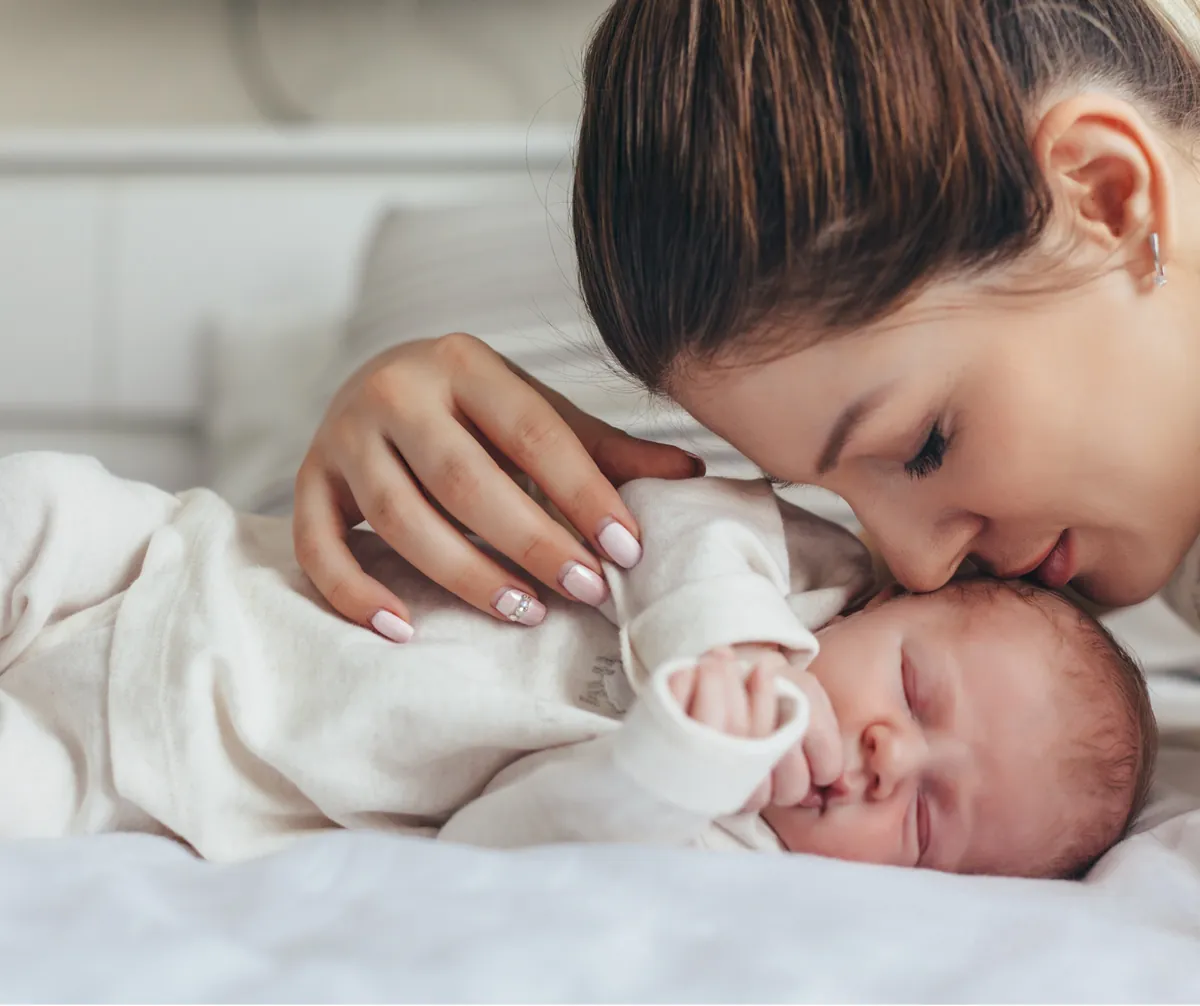
Setting up a safe sleep environment is one of the most important things you can do for your newborn before they even arrive. And it's also one of the things that makes the biggest difference in sleep quality, not just safety.
The good news is that a safe sleep setup and a sleep-supportive setup are largely the same thing. The conditions that reduce risk are also the conditions that help babies sleep better and longer.
Here's everything you need to know, organized by what matters most.
The ABCs of Safe Sleep
The American Academy of Pediatrics (AAP) recommends that babies sleep Alone, on their Back, in a Crib (or other approved sleep surface). These three guidelines are the foundation of safe infant sleep and apply from birth through the first year.
Alone
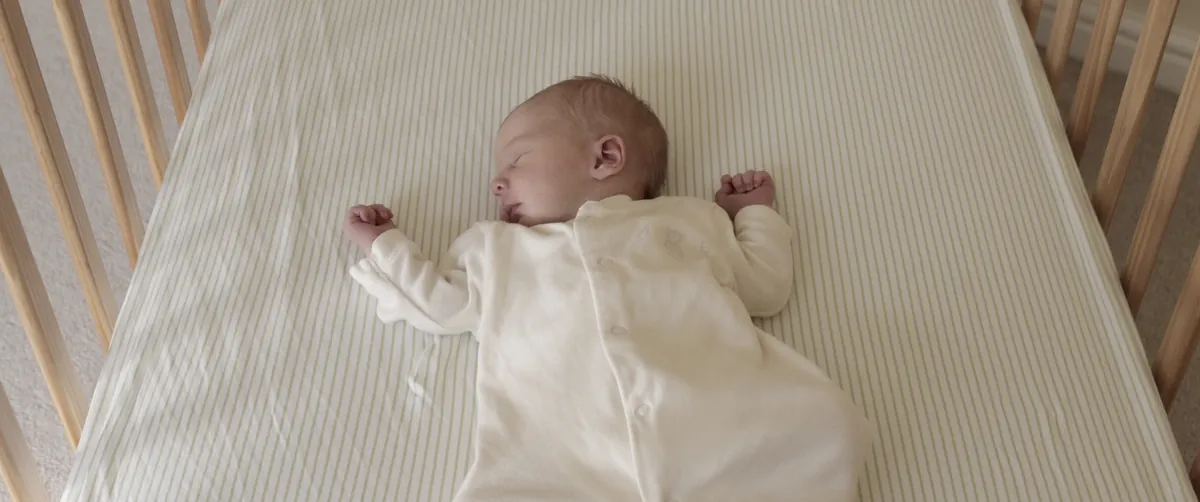
Your baby should sleep in their own sleep space, without other people or objects in the same surface. This includes pillows, blankets, bumpers, stuffed animals, and positioners. The sleep surface should be clear except for a fitted sheet.
Room sharing (having your baby's crib or bassinet in your room) is recommended for at least the first 6 months and ideally the first year. Room sharing without bed sharing reduces the risk of SIDS (sudden infant death syndrome) while keeping your baby close.
Back
Always place your baby on their back to sleep, including naps, until they can roll on their own in both directions. Once your baby can roll from back to front and front to back on their own, you can let them settle into whatever position is most comfortable for them. Until that happens, back is always safest.
Crib (or approved sleep surface)
Your baby should sleep on a firm, flat surface designed specifically for infant sleep. This includes cribs, bassinets, and play yards that meet current safety standards. Inclined or soft surfaces, rockers, bouncers, and car seats are not safe for unsupervised sleep, even if your baby falls asleep in one.
Darkness
A dark room is one of the most underrated tools in infant sleep. Light is the strongest signal to the brain that it's time to be awake. Darkness does the opposite: it triggers melatonin production and signals that sleep is appropriate.
For newborns, a fully dark room for sleep, including naps (starting at 8-12 weeks), helps regulate their circadian rhythm and makes it easier for them to stay asleep through the light transitions of a sleep cycle. Blackout curtains are one of the most worthwhile investments you can make for your baby's sleep space.
A small dim nightlight for night feeds and diaper changes is fine, but keep it as low as possible and avoid turning on overhead lights or bright, white lights during the night. The goal is to keep the message consistent: nighttime is for sleep.
White Noise
White noise serves two important functions: it mimics the sounds of the womb, which are actually quite loud, and it masks household sounds that might startle a baby awake during a light sleep phase.
For newborns especially, white noise can be remarkably effective at helping them settle and stay asleep. Over time, it also becomes a powerful sleep cue: when the white noise comes on, the brain starts preparing for sleep.
- Volume: 50 to 55 decibels maximum, roughly the level of a quiet conversation. Louder than that is unnecessary and potentially harmful to a baby's developing hearing. Most dedicated white noise machines have a volume indicator or can be measured with a free decibel meter app.
- Type: True white noise, pink noise, or rain sounds all work well. Avoid music or nature sounds with varied tones and rhythms, which can be stimulating rather than settling.
- Placement: Place the white noise machine 1.5 to 2 meters away from the crib (about 5 to 6 feet). Never place it directly next to your baby's head.
Temperature
The ideal sleep temperature for babies is between 66 and 75 degrees Fahrenheit (19 to 24 degrees Celsius). Overheating is a risk factor for SIDS, so it's important not to over-bundle your baby.
A simple guide: dress your baby in one more layer than you're comfortable in. If you're in a t-shirt, your baby might be in a onesie and a sleep sack. A sleep sack is the safest way to keep your baby warm without using loose blankets in the crib. Sleep sacks come with a TOG rating that tells you how thick they are, so you know how warm they keep your baby.
Swaddling
Swaddling is appropriate from birth until around 3 months, or as soon as your baby shows any signs of rolling, whichever comes first. The Moro reflex (the startle reflex) is one of the most common reasons newborns wake themselves up, and a snug swaddle helps prevent it.
When swaddling, make sure:
- The swaddle is snug around the arms but loose around the hips to allow for healthy hip development
- Your baby is always placed on their back
- You stop swaddling immediately when you notice any rolling attempts
Once you stop swaddling, transition to a sleep sack with arms free. Many families use a transitional swaddle with one arm out for a week or two to ease the change.
A Quick Setup Checklist
- Firm, flat sleep surface (crib, bassinet, or play yard meeting current safety standards)
- Fitted sheet only, no pillows, blankets, bumpers, or stuffed animals
- Blackout curtains or blackout blinds
- White noise machine nearby, but not right next to your baby
- Room temperature between 66 and 75°F (19 to 24°C)
- Swaddle (birth to rolling) or sleep sack (rolling onward)
- Baby on their back to sleep
- Baby in your room but in their own sleep surface
Want to set your baby up for better sleep from day one?
I'm Paula, a certified infant sleep consultant at Baby and You Sleep and mom of three. I work with families from the newborn stage onward to build healthy sleep habits and feel more confident navigating those early months. My free 15-minute Discovery Call is the easiest first step.
👉🏻 Send me a message and let's find a time that works for you
Frequently Asked Questions
Is it safe to use a fan in the baby's room?
Yes. Research actually suggests that running a fan in an infant's room may reduce the risk of SIDS, possibly by improving air circulation. Keep it circulating air in the room rather than blowing directly on the baby, and make sure the room stays within the recommended temperature range.
Can my baby sleep in a swing or bouncer?
Swings and bouncers are not approved sleep surfaces. If your baby falls asleep in one, move them to their approved sleep space as soon as it's safe to do so. The inclined position can cause a baby's head to fall forward, which restricts the airway.
When can I add a pillow or blanket to the crib?
The AAP recommends keeping the sleep surface clear of pillows, blankets, and soft objects for the entire first year. After 12 months, a small pillow and light blanket are generally considered safe, though you can keep using a sleep sack as long as it fits, and even switch to ones that are open at the bottom once your baby starts walking.
What is a sleep sack?
A sleep sack is a sleeveless garment that zips or snaps around your baby. It keeps them warm without the risks of a loose blanket in the crib. Sleep sacks come in different TOG ratings for different temperatures. Always follow the manufacturer's size and thickness guidelines.
Does white noise need to play all night?
Yes, for it to be most effective as a sleep tool. The goal of white noise is to mask environmental sounds throughout the night, not just at the beginning of sleep. Most white noise machines have a continuous play option, which is what you want. Running it for the full block of sleep is both safe and effective.
Sources & Further Reading
The information in this article is based on current research in infant sleep science and child development. Here are some trusted sources if you'd like to read more:
- American Academy of Pediatrics (AAP): Safe sleep guidelines and infant development. aap.org
- National Institutes of Health / Safe to Sleep: SIDS and safe sleep information. nichd.nih.gov/safetosleep
- National Sleep Foundation: Infant sleep environment. sleepfoundation.org
- Mindell, J.A. & Owens, J.A.: A Clinical Guide to Pediatric Sleep: Diagnosis and Management of Sleep Problems.
Paula is a certified baby and toddler sleep consultant and mom of three, with a background in speech therapy and child development. Based in Austin, TX, she works virtually with families across the US, Latin America, Europe and beyond, in English and Spanish, to help babies and toddlers sleep better without extreme methods and without mom guilt.
Want a plan made for your baby?
Book a free 15-minute Discovery Call and we'll figure out the best next step for your family. No pressure, no judgment.
Book your free callYou might also like
Newborn Sleep Schedule: What's Normal and What's Not in the First 3 Months
Newborn sleep feels chaotic, and most of it is normal. Wake windows, sample routines and red flags for the first 3 months, plus how to build good habits.
How to Get Your Baby to Sleep Without Being Held
Does your baby only sleep when held? Learn why it happens and a gentle, step-by-step way to help your baby sleep in the crib without cry it out.
Why Won't My 4-Month-Old Sleep? The 4-Month Sleep Regression Explained
Is your 4-month-old waking every 45 minutes? Learn what the 4-month sleep regression is, how long it lasts, and gentle ways to help, no cry it out.