Why Won't My 4-Month-Old Sleep? The 4-Month Sleep Regression Explained
 Paula Videtta · Certified Infant Sleep Consultant & Mom of Three
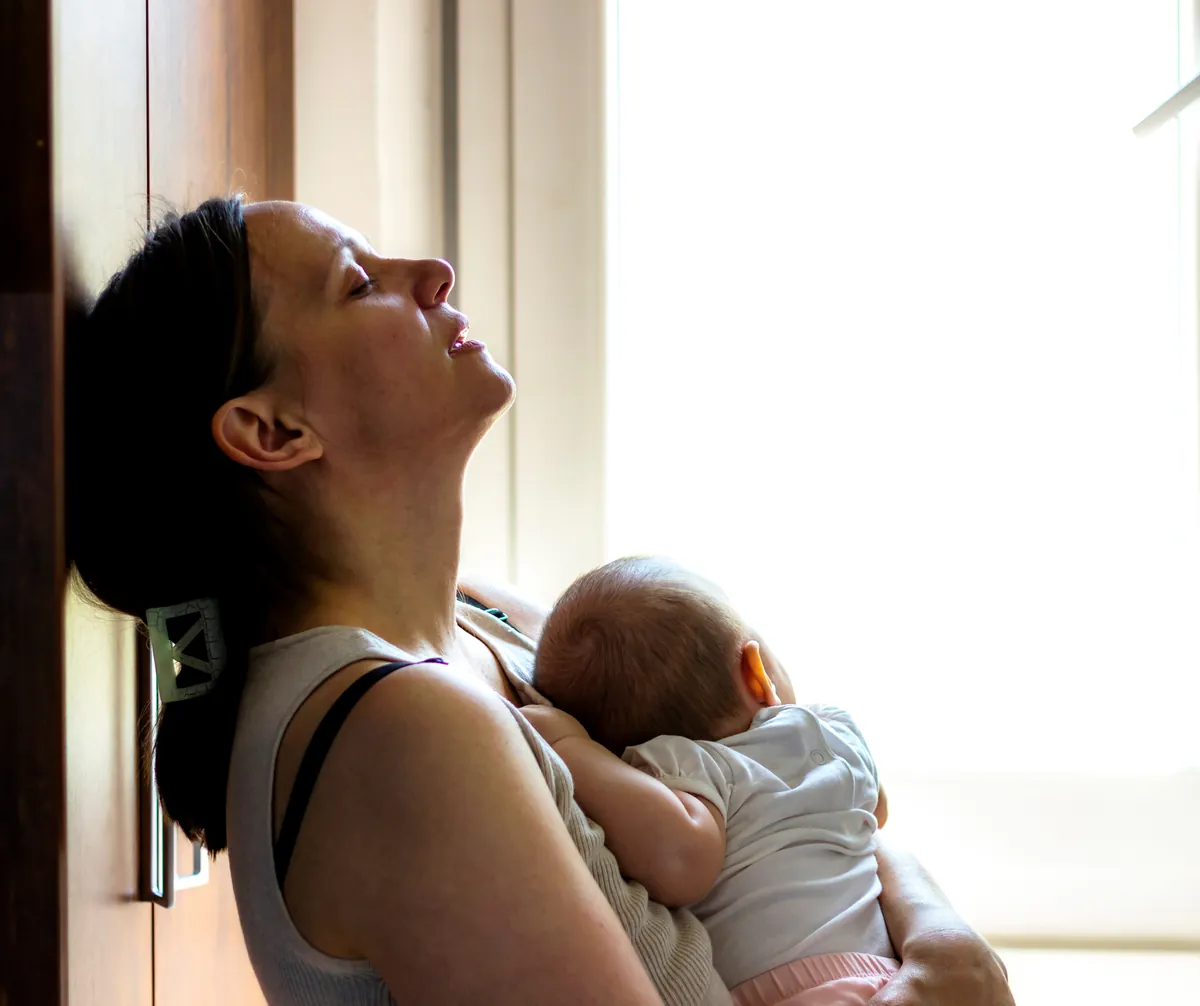
It happens to almost every family. Your baby was sleeping in longer stretches, maybe even giving you a few hours in a row, and then practically overnight everything fell apart. Now you're up every 45 minutes, wondering what you did wrong and how long you can survive on this little sleep.
First, take a breath. You didn't do anything wrong. What you're living through has a name: the 4-month sleep regression. It's one of the most common (and most exhausting) milestones in a baby's first year.
Let me walk you through what's actually happening, why it happens, and most importantly, what you can do about it.
What Is the 4-Month Sleep Regression?
Around 3.5 to 5 months of age, your baby's brain goes through a major developmental leap. Their sleep architecture (the way they cycle through sleep stages) permanently shifts to become more like adult sleep.
Before this point, newborns move through just two phases of sleep. After this shift, babies start cycling through four distinct stages, just like adults do. Each full nighttime cycle lasts about 90 minutes. Nap cycles are shorter, closer to 45 minutes, which is why you'll often notice your baby waking up exactly 45 minutes into a nap.
At the end of each cycle, whether during a nap or at night, the brain briefly surfaces into a lighter state before starting the next cycle. Adults do this too, but we barely notice because we know how to drift back to sleep on our own. Most babies at this stage don't know how to do that yet. So when they surface, they fully wake up and call for help. During a nap that might mean one 45-minute wake-up. At night it can mean multiple wake-ups across several hours.
Signs Your Baby Is Going Through the 4-Month Sleep Regression
You might be dealing with this regression if your baby is:
- Waking up every 45–90 minutes at night
- Fighting naps or only sleeping for short 30-minute stretches
- Seeming more fussy or unsettled than usual
- Needing more help falling asleep than before
- Going through a period of increased hunger (growth spurts often coincide with this stage)
Sound familiar? Keep reading.
How Long Does the 4-Month Sleep Regression Last?
Here's what I want you to hear clearly: this developmental change is permanent. Your baby's sleep will not simply "go back to how it was" once the regression passes.
That sounds scary, but it's actually good news, because it means this is the perfect moment to start building healthy sleep habits. Once your baby's brain has made this shift, they're developmentally ready to start learning how to fall asleep more independently.
Without any guidance, the sleep disruptions from this regression can last weeks or even months. With a gentle plan in place, most families see significant improvement within 2–3 weeks.

What You Can Do Right Now
You don't have to just white-knuckle your way through this. Here are a few things that can help:
1. Start a consistent bedtime routine
At 4 months, babies are ready to start recognizing patterns. A simple, predictable sequence like bath, feeding, song, sleep signals to their brain that sleep is coming. You don't need anything fancy. Just consistency.
2. Watch the awake windows
At 4 months, most babies can only handle about 1.5 to 2 hours of awake time before they get overtired. An overtired baby has a much harder time falling and staying asleep. Watch for sleepy cues like eye rubbing, zoning out, or getting fussy, and don't wait too long.
3. Practice putting baby down drowsy but awake
This is one of the most important skills your baby can start learning at this stage. Instead of waiting until they're fully asleep in your arms, try putting them down when they're drowsy but still slightly awake. This helps them learn to connect their own sleep cycles, which is the long-term solution to frequent night wakings.
4. Optimize the sleep environment
A dark room and white noise can make a significant difference during light sleep phases. Both help babies stay asleep longer during those natural lighter cycles.
Do You Have to Let Your Baby Cry It Out?
Absolutely not. This is one of the biggest myths around baby sleep, and it's one I'm passionate about clearing up.
There are many gentle, responsive approaches to helping babies learn to sleep better. Approaches that don't involve leaving your baby alone to cry, and that are adapted to your baby's temperament and your family's values.
As a certified infant sleep consultant, every plan I create is 100% customized and built around what feels right for your family. No one-size-fits-all methods here.
Still struggling with your baby's sleep?
I'm Paula, a certified infant sleep consultant and mom of three. If you're exhausted and don't know where to start, let's talk. I offer a free 15-minute Discovery Call where we figure out the best next step for your family, with no pressure and no judgment.
👉🏻 Send me a message and let's find a time that works for you
Frequently Asked Questions
What is the 4-month sleep regression?
The 4-month sleep regression is a permanent change in a baby's sleep architecture that occurs between 3.5 and 5 months of age. At this point, a baby's sleep shifts from two simple phases to four distinct stages, mirroring adult sleep. This means more conscious partial wakings between sleep cycles, which is why babies who previously slept longer stretches suddenly start waking frequently.
How long does the 4-month sleep regression last?
The 4-month sleep regression itself typically lasts 2 to 6 weeks. However, because the changes to sleep architecture are permanent, sleep does not simply "go back to normal" after the regression passes. Without any guidance, the disruptions can persist for months. With a consistent, gentle approach, most families see meaningful improvement within 2 to 3 weeks.
Does the 4-month sleep regression affect naps too?
Yes. At 4 months, nap cycles are approximately 45 minutes long, while nighttime cycles last around 90 minutes. Babies who haven't yet learned to connect sleep cycles independently will often wake after exactly one nap cycle and struggle to fall back asleep. This is one of the most common signs of the 4-month regression.
Is it normal for a 4-month-old to wake every hour at night?
Waking every 90 minutes at night is common during the 4-month sleep regression and reflects the new cycle structure of the maturing brain. Waking every hour may indicate that the sleep association at play is very strong, meaning the baby needs significant help (nursing, rocking, a pacifier) to fall asleep every single time they surface between cycles.
Do I have to sleep train during the 4-month regression?
No. Sleep training is one option, not a requirement. Many families make significant progress by adjusting timing, improving the sleep environment, and beginning to practice putting their baby down slightly more awake, without any formal sleep training method. What matters most at this stage is consistency and building a foundation that supports independent sleep over time.
Sources & Further Reading
The information in this article is based on current research in infant sleep science and child development. Here are some trusted sources if you'd like to read more:
- American Academy of Pediatrics (AAP): Safe sleep guidelines and infant sleep development. aap.org
- Mindell, J.A. & Owens, J.A.: A Clinical Guide to Pediatric Sleep: Diagnosis and Management of Sleep Problems. The standard clinical reference in the field of infant and pediatric sleep.
- National Sleep Foundation: Sleep needs by age and sleep cycle development. sleepfoundation.org
- Cleveland Clinic: Overview of baby sleep regressions and developmental milestones. my.clevelandclinic.org
Paula is a certified baby and toddler sleep consultant and mom of three, with a background in speech therapy and child development. Based in Austin, TX, she works virtually with families across the US, Latin America, Europe and beyond, in English and Spanish, to help babies and toddlers sleep better without extreme methods and without mom guilt.
Want a plan made for your baby?
Book a free 15-minute Discovery Call and we'll figure out the best next step for your family. No pressure, no judgment.
Book your free callYou might also like
The 8-Month Sleep Regression: What It Is and How to Survive It
Baby suddenly waking more, fighting naps, and clingy at 8 to 10 months? Learn what drives the 8-month sleep regression, how long it lasts, and what helps.

How to Get Your Baby to Sleep Without Being Held
Does your baby only sleep when held? Learn why it happens and a gentle, step-by-step way to help your baby sleep in the crib without cry it out.

6-Month-Old Sleep Schedule: Sample Routines That Actually Work
How many naps does a 6-month-old need? Sample 2- and 3-nap schedules, wake windows by age, ideal bedtime, and fixes for early morning waking.