
The 8-Month Sleep Regression: What It Is and How to Survive It
 Paula Videtta · Certified Infant Sleep Consultant & Mom of Three
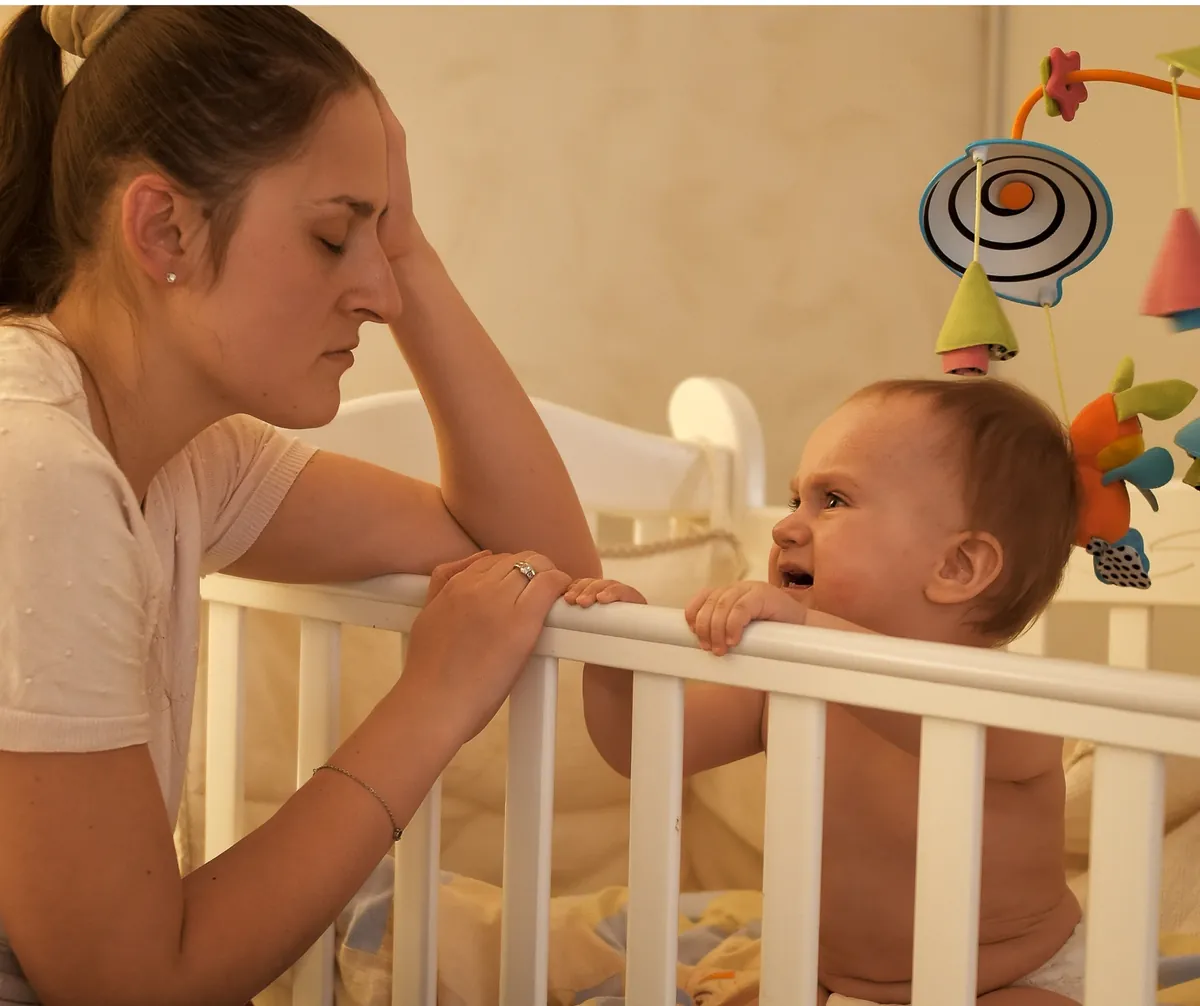
You finally felt like you had sleep figured out. Your baby was going down easier, maybe even sleeping through the night in longer stretches. And then, out of nowhere, everything fell apart again.
If your baby is somewhere between 8 and 10 months old and suddenly fighting sleep, waking more at night, or clinging to you like never before, you're probably in the middle of the 8-month sleep regression. And yes, it's very real.
The good news is that understanding what's driving it makes a huge difference. Let me break it down for you.
What Is the 8-Month Sleep Regression?
The 8-month sleep regression (which can actually hit anywhere between 8 and 10 months) is driven by a wave of major developmental changes happening all at once. Your baby's brain is working overtime.
At this stage, most babies are learning to crawl, pull up to stand, cruise along furniture, and in some cases take their first steps. They're also developing object permanence, which is the understanding that things (and people) still exist even when they can't see them. This is a huge cognitive leap, and it's exactly what makes separation so hard at this age.
Put all of that together and you have a baby whose brain is so stimulated and so aware of the world that settling down to sleep feels almost impossible.
Signs Your Baby Is Going Through the 8-Month Sleep Regression
You might be in this regression if your baby is:
- Suddenly waking more at night after weeks or months of better sleep
- Having a much harder time falling asleep at bedtime (fighting it, crying, needing more help than before)
- Taking shorter naps or refusing naps altogether
- Showing separation anxiety for the first time, or worse than before
- Practicing new physical skills (pulling up, standing) in the crib instead of sleeping
- Testing out their voice a lot and babbling more, even at bedtime
- Wanting to nurse or bottle feed more frequently at night
If you're nodding at most of these, keep reading.
How Long Does It Last?
Most families see the worst of it for 2 to 6 weeks. But the honest answer is that it depends on what you do during this time.
Regressions often become prolonged sleep problems when the way we respond to them creates new habits that are hard to break later. For example, if your baby learns that waking up at 2am brings mom in for a long nursing session and cuddles, that becomes the new expectation, and the regression can stretch on much longer than necessary.
That doesn't mean you have to ignore your baby or stop responding. It just means being intentional about how you respond.

What Actually Helps During the 8-Month Regression
Here are the things that make the biggest difference at this stage:
1. Give them space to practice during the day
If your baby is learning to pull up or stand, they're going to want to do it constantly, including in their crib at bedtime. The best way to reduce this at night is to give them plenty of floor time and opportunity to practice those skills during the day. A baby who has had enough physical activity is much more ready to wind down at night.
2. Keep your routine rock solid
Consistency is your best friend during a regression. A predictable bedtime routine (bath, feed, book, song, sleep) gives your baby clear signals that sleep is coming, even when everything else feels chaotic to them. Don't skip or shorten it just because they seem fussy. If anything, lean into it more.
3. Respond to separation anxiety with confidence
Your baby's clinginess right now is completely normal and developmentally appropriate. The best thing you can do is respond with calm confidence. Peek-a-boo and hide-and-seek games during the day actually help with this because they teach your baby that you always come back. At nighttime, brief reassurance check-ins (without picking up if possible) can help without creating a new dependency.
4. Watch the nap schedule
At 8 to 9 months, most babies are on two naps a day. If your baby is still taking three, it may be time to drop the third one, and chances are they're already showing you by fighting or skipping it. Protect those two naps and make sure the wake window before bed isn't too long (2.5 to 3.5 hours is typical at this age).
5. Consider whether sleep skills need some work
Regressions often shine a light on sleep associations that were working before but aren't sustainable anymore. If your baby needs you to be present to fall asleep (nursing to sleep, rocking fully to sleep, lying next to them), this regression is often when that starts to really break down. It doesn't mean you did anything wrong. It just means this might be a good time to gently start building more independent sleep skills.
What About Night Weaning?
This question comes up a lot around this age. By 8 to 9 months, most healthy babies are physically capable of going longer stretches without feeding at night. Whether you night wean or not is completely a personal decision and depends on your baby, your feeding relationship, and your family's needs.
What I will say is that if your baby is waking 4 or 5 times a night to feed and you suspect they may not actually be hungry every single time, that's worth exploring. Often those extra wake-ups are about comfort and habit rather than nutritional need. A sleep consultant (hi, that's me!) can help you figure out what's actually going on and make a plan that works for your family.
Still struggling with your baby's sleep?
I'm Paula, a certified infant sleep consultant and mom of three. If you're exhausted and ready for a real plan, let's talk. My free 15-minute Discovery Call is the first step. No pressure, no judgment, just real help.
👉🏻 Send me a message and let's find a time that works for you
Frequently Asked Questions
What causes the 8-month sleep regression?
The 8-month sleep regression (which can occur anywhere between 8 and 10 months) is driven by a wave of simultaneous developmental changes: learning to crawl, pull up, and stand; the development of object permanence; and heightened social awareness and separation anxiety. The brain is working overtime, which makes settling down to sleep much harder.
How long does the 8-month sleep regression last?
Most families experience the worst of the 8-month regression for 2 to 6 weeks. The length depends significantly on how parents respond during this time. Regression periods can extend into prolonged sleep problems when new habits formed in response to the regression become difficult to break afterward.
Is the 8-month sleep regression the same as the 9-month sleep regression?
They are the same developmental event. Some babies experience it closer to 8 months and others closer to 9 or 10 months, which is why it's referred to by different names. The underlying causes are the same: a cluster of major developmental milestones happening simultaneously that temporarily disrupt sleep.
Why is my 8-month-old suddenly waking at night after sleeping well?
A sudden return of night wakings after a period of better sleep is a hallmark of the 8-month regression. If the disruption started suddenly and coincides with new physical skills (pulling up, standing) or increased clinginess during the day, the regression is almost certainly the driver. If the wakings were already frequent before this point, a sleep association may be the primary issue.
Should I drop a nap during the 8-month sleep regression?
It depends on how many naps your baby is taking. At 8 months, most babies do best on two naps a day: three is usually too many and one is too few. If your baby is still taking three naps, this may be a good time to drop the third. If they're already on two, don't drop one: cutting a nap early to manage the regression usually makes things worse by adding overtiredness to an already difficult period.
Sources & Further Reading
The information in this article is based on current research in infant sleep science and child development. Here are some trusted sources if you'd like to read more:
- American Academy of Pediatrics (AAP): Safe sleep guidelines and infant development. aap.org
- Mindell, J.A. & Owens, J.A.: A Clinical Guide to Pediatric Sleep: Diagnosis and Management of Sleep Problems.
- National Sleep Foundation: Sleep needs by age and developmental milestones. sleepfoundation.org
- Zero to Three: Object permanence, separation anxiety and infant cognitive development. zerotothree.org
Paula is a certified baby and toddler sleep consultant and mom of three, with a background in speech therapy and child development. Based in Austin, TX, she works virtually with families across the US, Latin America, Europe and beyond, in English and Spanish, to help babies and toddlers sleep better without extreme methods and without mom guilt.
Want a plan made for your baby?
Book a free 15-minute Discovery Call and we'll figure out the best next step for your family. No pressure, no judgment.
Book your free callYou might also like
Why Won't My 4-Month-Old Sleep? The 4-Month Sleep Regression Explained
Is your 4-month-old waking every 45 minutes? Learn what the 4-month sleep regression is, how long it lasts, and gentle ways to help, no cry it out.

What Does a Baby Sleep Consultant Actually Do? (Is It Worth Working With One?)
What does a baby sleep consultant actually do, and is it worth it? A step-by-step look at the process, from the first call to three weeks of support.

When to Hire a Sleep Consultant: 5 Signs You Need Professional Help
Tried everything and your baby still won't sleep? Here are 5 signs it's time to hire a sleep consultant, and what working with one actually looks like.