Traveling with a Baby: How to Protect Sleep Before, During and After the Trip
 Paula Videtta · Certified Infant Sleep Consultant & Mom of Three
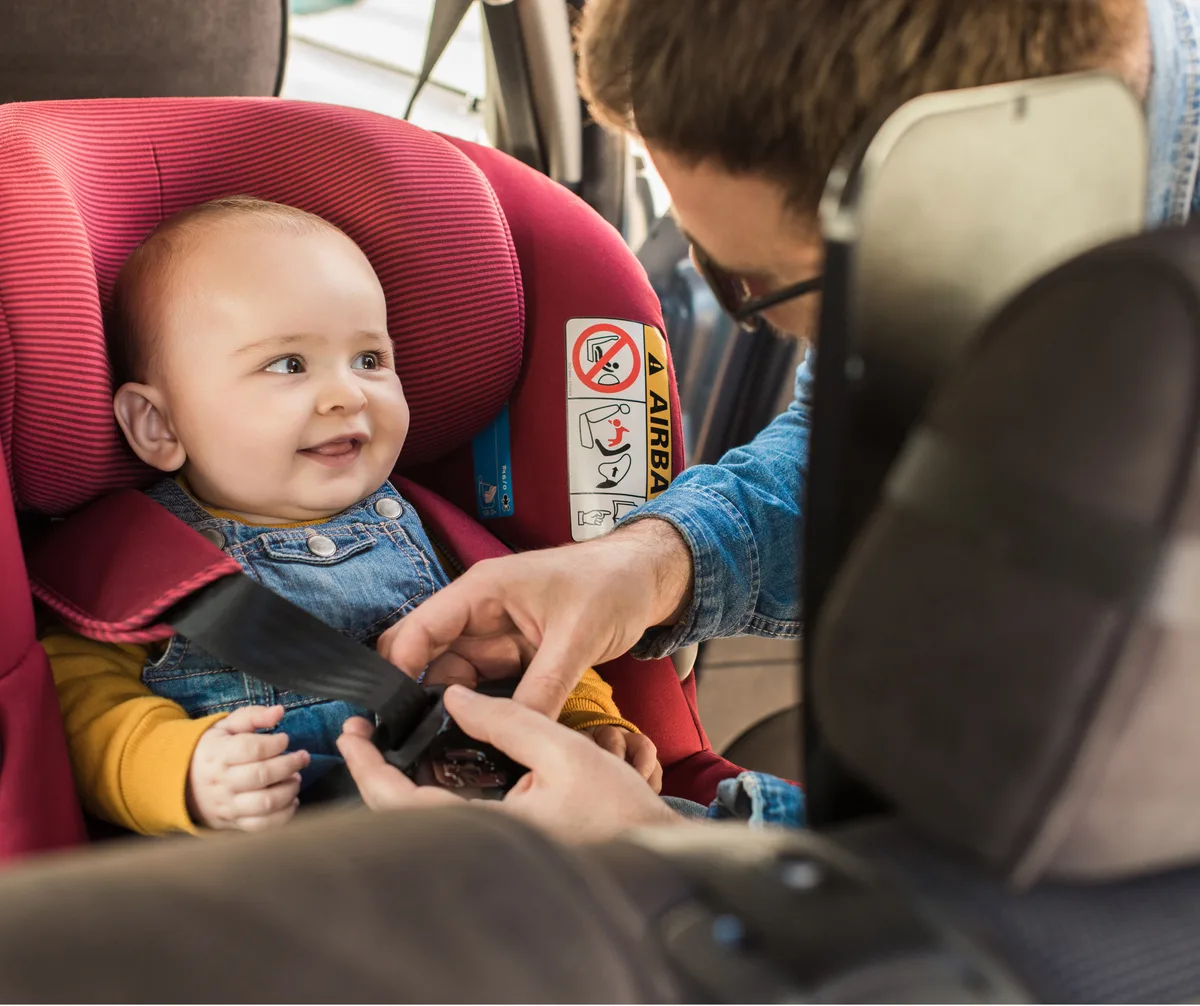
Traveling with a baby is as magical as it is exhausting. Whether you're visiting family, taking a vacation or crossing time zones for a big event, you don't have to put your life on hold just because you have a baby.
You're probably wondering what the trip will do to your baby's sleep. The honest answer is that travel affects sleep. It almost always does. But it doesn't have to set you back weeks, and it certainly doesn't have to ruin the trip. With a bit of preparation, you can protect your baby's sleep as much as possible and get back on track quickly once you're home.
Why Travel Disrupts Baby Sleep
Babies are creatures of environment and routine. When both shift at the same time, sleep gets harder. These are the main factors:
- Sleeping in an unfamiliar place, with different smells, textures, temperatures, sounds and light levels
- A disrupted nap schedule and bedtime
- Overstimulation from new people, places and activities
- Time zone changes that shift the internal clock
- Altered feeding patterns that ripple into sleep
Knowing these factors helps you plan around them rather than just hoping for the best.
Before You Leave: Pack for Sleep
Familiar cues send a powerful message to your baby's nervous system: this is a safe place to sleep. Here's what I recommend keeping close at hand or in your carry-on:
- White noise machine. This is non-negotiable. It masks unfamiliar sounds and signals sleep, just like at home. Don't rely on a phone app that might cut out.
- Sleep sack or swaddle. It carries the scent of home and provides familiar tactile input. It's one of the simplest ways to tell your baby's body that sleep is coming.
- Lovey or comfort object. If your baby has one, it travels too. It's a portable sleep cue that works anywhere.
- Portable blackout solution. Light tells the brain to stay awake. Portable blackout curtains are worth every inch of luggage space.
- Safe sleep surface. A pack-n-play is the standard choice for travel. If you're staying at a hotel or rental, confirm ahead of time that one is available so you're not problem-solving at 10 p.m.
Protect the Routine as Much as You Can
Your baby's routine works because of its sequence and its cues, not because of the specific room it happens in. Even a shortened version, done in the same order, sends the right signal. If your routine at home is bath, pajamas, milk, book, white noise and a dark room, keep that sequence even at a vacation rental or at the grandparents' house.
Keep an eye on wake windows so your baby doesn't arrive at naptime or bedtime overtired. Overtired babies are harder to settle in an unfamiliar environment. Aim for at least one nap a day in a calm space with familiar cues, rather than always on the go.
Handling Time Zone Changes
Short trip (fewer than 5 days)
For short trips, it's generally easier to stay on your home schedule. Early mornings or late bedtimes may be socially awkward, but they usually mean less disruption overall, since you won't be in the middle of adjusting when it's time to head home.
Longer trip (a week or more)
For a longer trip, adjusting to local time makes more sense. Use morning daylight to anchor the new schedule, and shift bedtime by about 30 minutes every day or two rather than all at once. Expect 2 to 4 days of adjustment. That's completely normal.
Naps on the Go
During a travel week, naps won't always happen in a dark, quiet crib. Motion naps in the car, stroller or carrier are perfectly fine as a temporary solution. That said, aim for at least one nap a day in a calm space with white noise and some darkness. On days with a lot of stimulation, moving that nap earlier can help prevent overtiredness from building up.
If you notice that naps on the go are starting to lead to more night wakings, that's a signal worth paying attention to. It doesn't mean you've ruined anything, but it's a good reminder to protect that one quieter nap when you can.
Getting Back on Track After the Trip
The moment you're home, resume your normal routine. No transition period, no extra days of flexibility. The sooner your baby returns to what they know, the faster the readjustment happens.
Most babies readjust within 3 to 5 days of being home with their usual routine. Travel is a temporary disruption, not a reset. Everything you built before the trip is still there.
Quick Recap
- Pack white noise, a sleep sack, a lovey and blackout curtains in your carry-on
- Keep the sequence of your sleep routine, even in a shortened version
- For short trips (fewer than 5 days), stay on your home schedule; for longer trips, adjust gradually to local time
- Protect at least one nap a day in a calm space
- Watch for overtiredness and move bedtime earlier when needed
- Go back to your normal routine the same day you get home
Did your baby's schedule fall apart during the holidays?
I'd love to help. At Baby and You Sleep, I work with families one-on-one to build realistic sleep plans that fit your baby's age, temperament and your family's lifestyle.
👉🏻 Send me a message and let's find a time that works for you
Frequently Asked Questions
How long does it take for a baby's sleep to recover after travel?
Most babies readjust within 3 to 5 days once they're home with their usual routine. If recovery takes more than a week, there are usually new habits that formed during the trip and are worth working on.
Should I wait to travel until my baby sleeps well?
There's no need to wait. With some preparation, you can travel with a baby at any stage. What does help is having a routine in place before you leave, even a simple one, so you can recreate it at your destination.
Is a pack-n-play safe for sleep while traveling?
Yes, as long as it's a model that meets current safety standards and the sleep surface is flat and firm. Never add extra mattress pads, loose blankets or pillows inside. Safe sleep guidelines apply on the road just as they do at home.
What if the hotel room doesn't get dark enough?
Portable blackout curtains are the best solution. Some models stick directly to the window with suction cups. You can also use dark fabric or black trash bags with tape. Darkness is one of the most powerful sleep cues, and it's worth the effort.
Should I change my baby's schedule while traveling or keep the home schedule?
It depends on the length of the trip. For short trips (fewer than 5 days), keeping your home schedule is usually best. For longer trips, gradually adjusting to local time is more practical in the medium term.
Sources & Further Reading
The information in this article is based on current research in infant sleep science and child development. Here are some trusted sources if you'd like to read more:
- American Academy of Pediatrics (AAP): Safe sleep recommendations for babies, at home and while traveling. healthychildren.org
- Mindell, J.A. & Owens, J.A.: A Clinical Guide to Pediatric Sleep: Diagnosis and Management of Sleep Problems.
- Jenni, O.G. & O'Connor, B.B.: Children's sleep: an interplay between culture and biology. Pediatrics, 2005; 115(1).
- Consumer Product Safety Commission (CPSC): Safety standards for cribs and play yards. cpsc.gov
- Circadian Sleep Disorders Network: Information on the body clock and time zone changes. circadiansleepdisorders.org
Paula is a certified baby and toddler sleep consultant and mom of three, with a background in speech therapy and child development. Based in Austin, TX, she works virtually with families across the US, Latin America, Europe and beyond, in English and Spanish, to help babies and toddlers sleep better without extreme methods and without mom guilt.
Want a plan made for your baby?
Book a free 15-minute Discovery Call and we'll figure out the best next step for your family. No pressure, no judgment.
Book your free callYou might also like
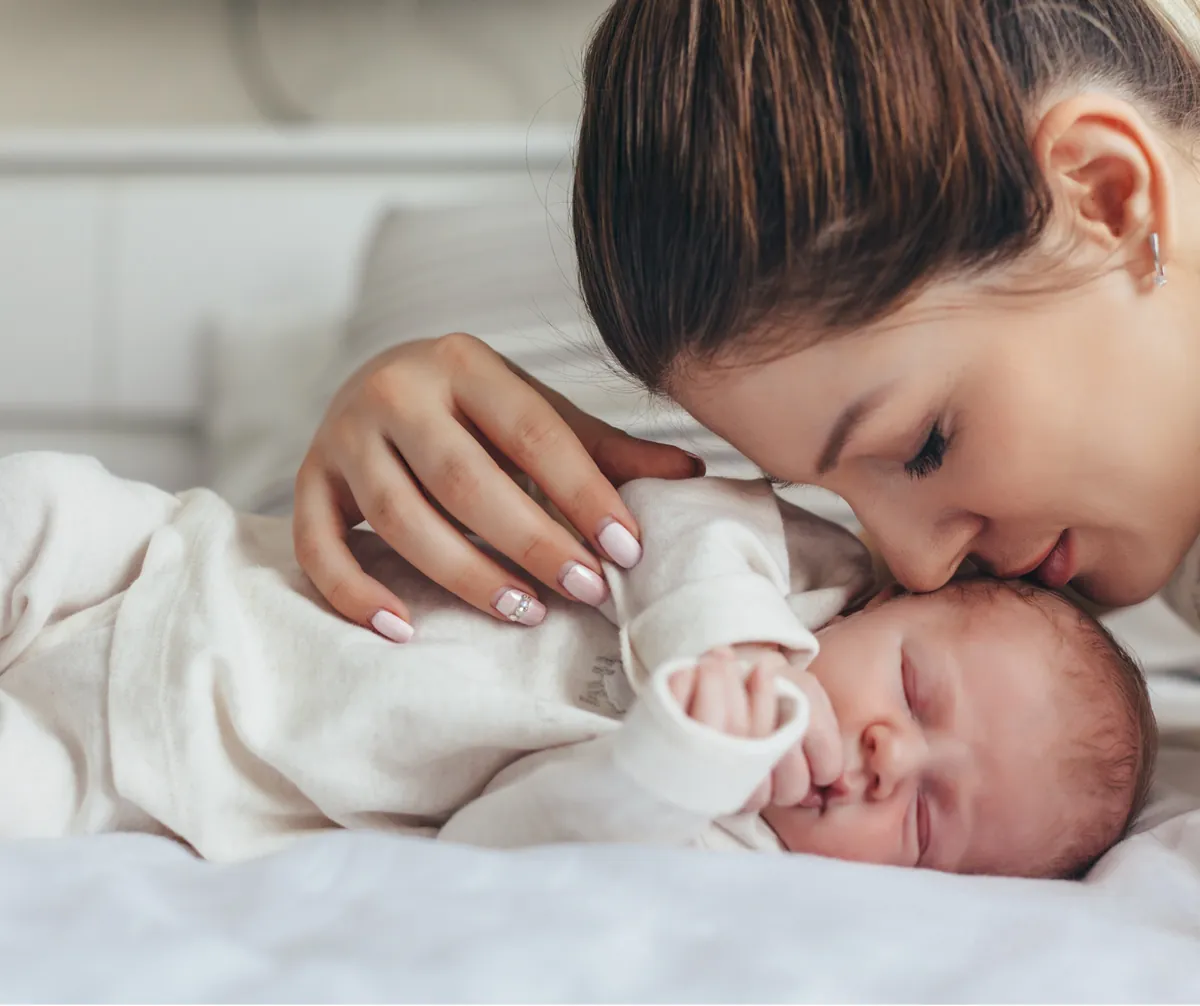
How to Create a Safe Sleep Environment for Your Newborn
Darkness, white noise, temperature, swaddling and a quick checklist: how to set up a safe sleep space that also helps your newborn sleep better.
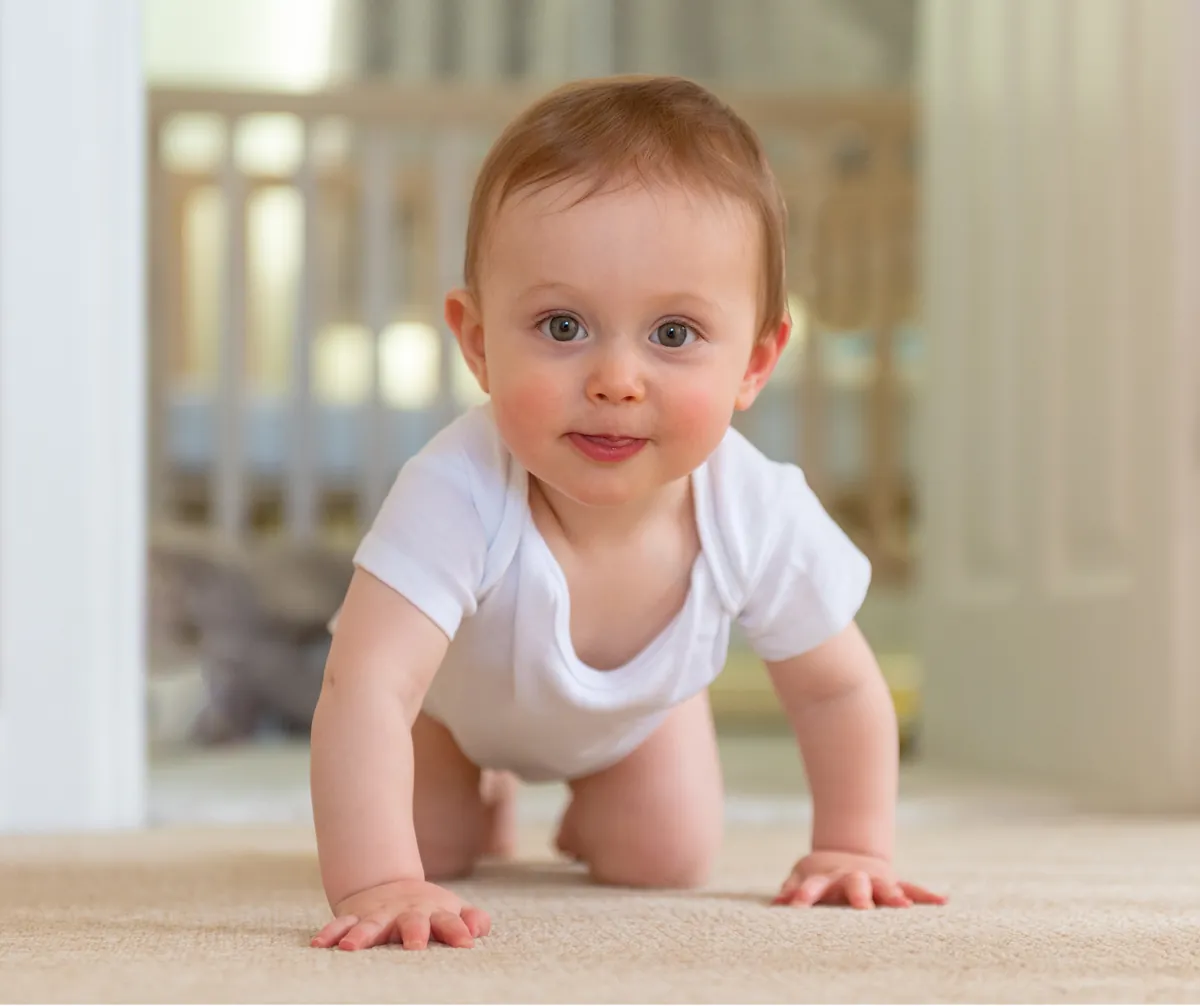
Night Wakings After 6 Months: Why It Happens and What to Do
Is your baby still waking a lot at night after 6 months? Learn the most common causes, what's normal, and practical steps to reduce night wakings.

6-Month-Old Sleep Schedule: Sample Routines That Actually Work
How many naps does a 6-month-old need? Sample 2- and 3-nap schedules, wake windows by age, ideal bedtime, and fixes for early morning waking.